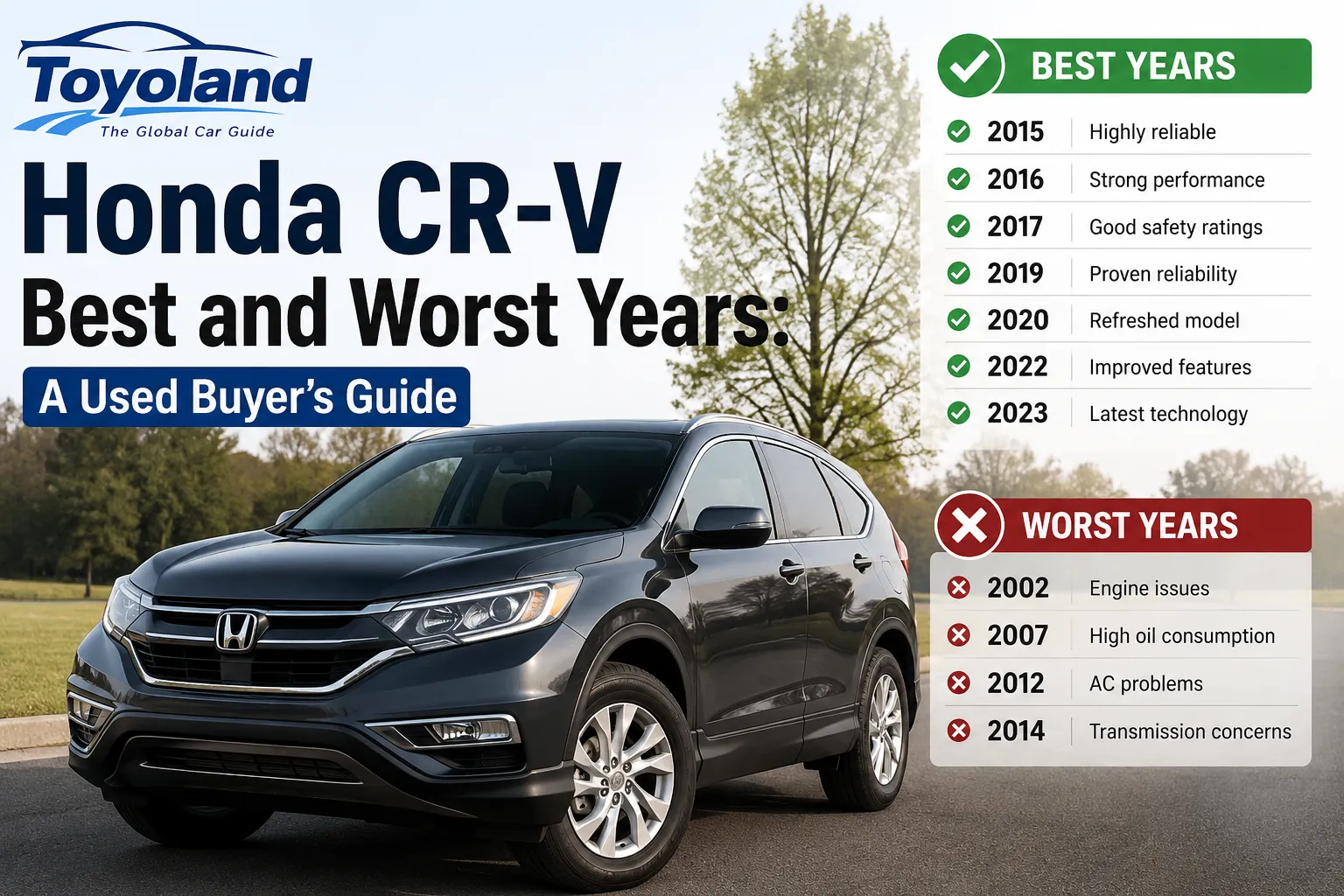

The Honda CR-V has been the default sensible choice in compact SUVs for nearly three decades, and most used examples reward that reputation. But “the CR-V is reliable” is a starting point, not a buying decision — because one engine issue matters more than anything else on a used CR-V shortlist, and the popular “years to avoid” lists routinely get its details wrong.
This guide is for someone shopping a used CR-V in 2026 who wants to know which years are the safest bets and why — the same evidence-tiered approach we use across our Toyota year guides, and a natural companion to our RAV4 vs CR-V comparison. Throughout, we separate what Honda has documented (TSBs, warranty extensions, recalls) from what owners report, from our own editorial judgment.
The quick answer
- Best older value: 2015–2016 (fourth generation) — the proven 2.4L naturally aspirated engine, mature build, no turbo to worry about.
- Best modern used pick: 2020–2022 (facelifted fifth generation) — the 1.5T’s software updates were in place, the hybrid arrived, and 2022 is the most mature of the era.
- Newest option: 2023-onward sixth generation, especially the hybrid — strong early record, but still accumulating long-term data.
- Approach with caution: 2017–2018 (1.5T oil dilution — documented, checkable, not a recall) and 2007–2009 (AC compressor failures, now age-dominated).
There is no CR-V year we tell you to never buy. The biggest caution is specific, verifiable on the individual car, and avoidable entirely by choosing the right engine.
CR-V generations at a glance
- 1st–2nd gen (1997–2006): simple, rugged, now very old — condition is everything.
- 3rd gen (2007–2011): refined and roomy with the strong K24 engine, but the AC-compressor era.
- 4th gen (2012–2016): the last naturally aspirated CR-V (2.4L); 2015–2016 are the standouts.
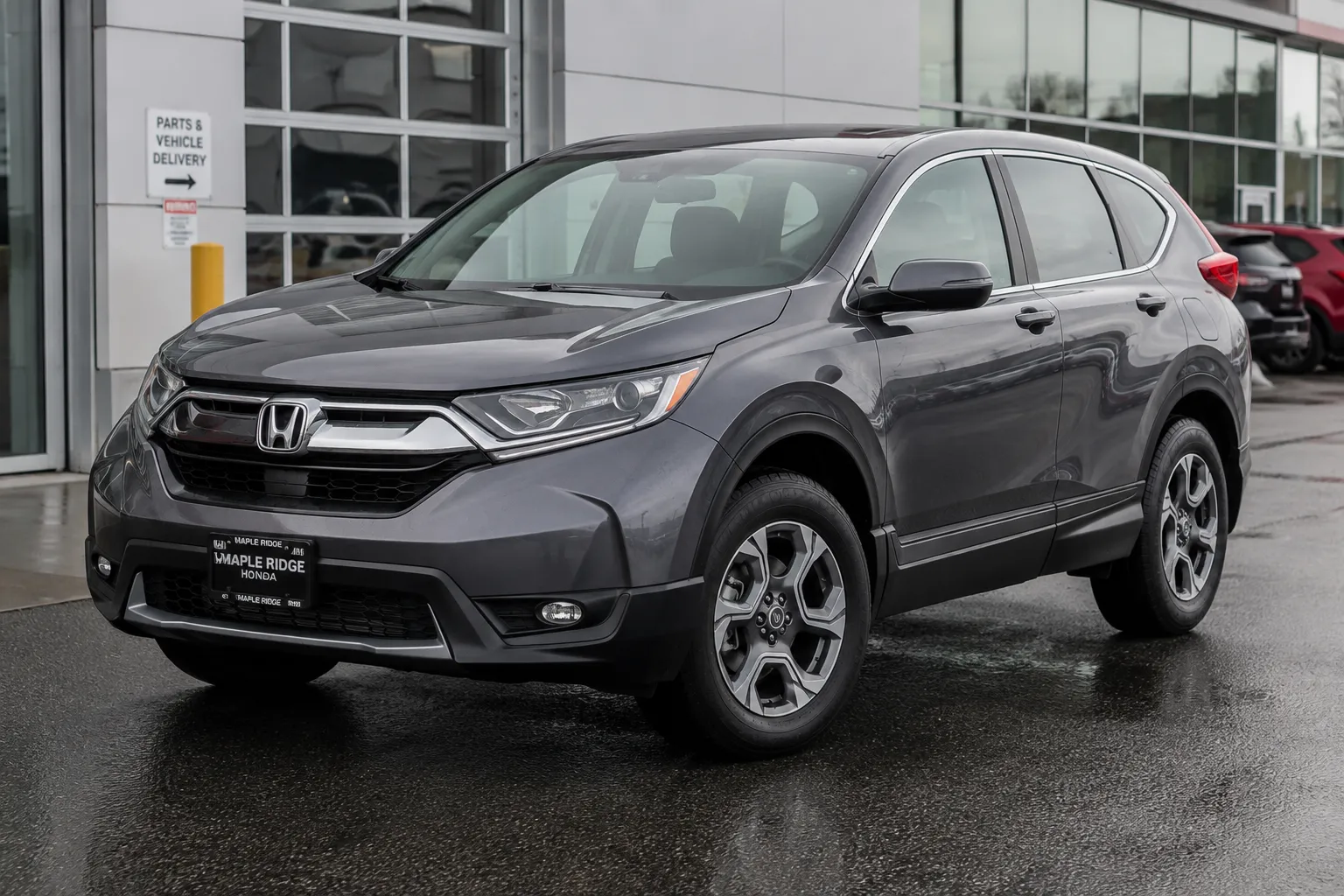
- 5th gen (2017–2022): the 1.5L turbo arrives — with the oil-dilution story below; hybrid added 2020.
- 6th gen (2023–present): larger, hybrid-led lineup; the 1.5T continues in gas models with a more settled record.
The best CR-V years to buy
2015–2016: the proven-value pick
If you want maximum dependability per dollar, the 2015–2016 fourth-generation cars are the smart buy: the naturally aspirated 2.4L (no direct-injection turbo, no dilution question), a matured CVT after early-2015 vibration bulletins were addressed, and generous space. Verify the 2015 TSB work if you feel driveline vibration on the test drive. These pair well with a broader search of the best used cars under $20,000.
2020–2022: the modern sweet spot
For the fifth generation, buy late. By 2020 Honda’s dilution-related software updates were factory-applied, the facelift brought updated equipment, and the excellent CR-V Hybrid joined the range. The 2022 model — the last of the generation — is the most mature 1.5T of all. On any 1.5T, still do the checks below; on the hybrid, the dilution question doesn’t apply in the same way, which is a genuine reason to prefer it.
 Honda
Honda
2023-onward: the newest generation
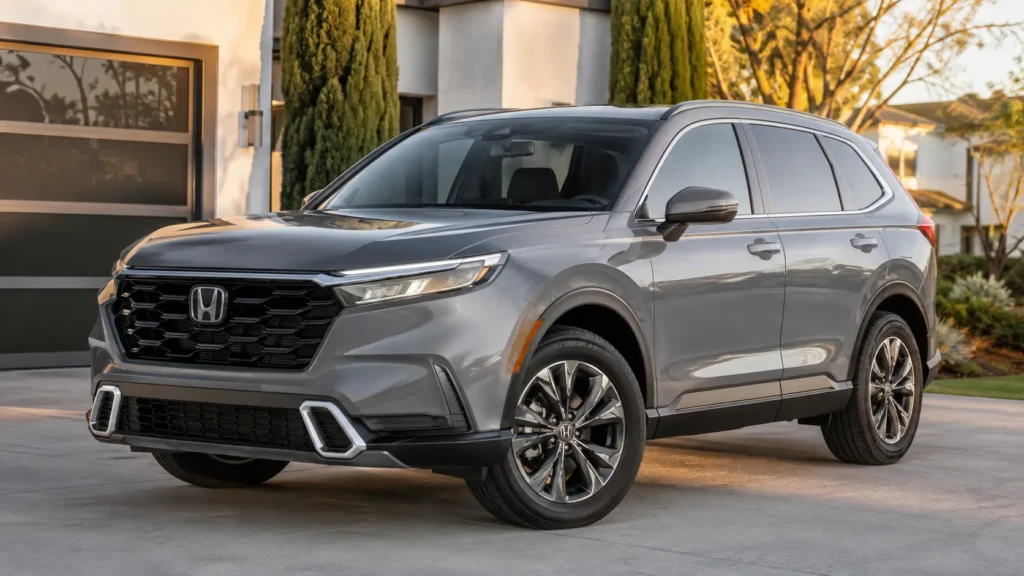
The sixth-generation CR-V leads with a strong ~204-hp two-motor hybrid and has earned strong early third-party marks. It is the newest, so long-term data is still accumulating — a reason for normal prudence, not avoidance. Verify year-specific safety results rather than assuming (the industry-wide updated IIHS moderate-overlap test has humbled many models).
The years that deserve caution
2017–2018: the 1.5T oil-dilution issue — documented, but not a recall
This is the single most important thing to understand about used CR-Vs, and precision matters.
Documented: the 1.5L direct-injection turbo (standard on all but base LX trims) can allow unburned fuel to wash past the piston rings into the crankcase during cold starts and short trips — the oil level rises on the dipstick and the oil smells of gasoline. Honda issued software-update TSBs (notably 18-089, adjusting injection timing and warm-up logic, with later updates) and — the key acknowledgment — extended the powertrain warranty to 6 years with unlimited mileage on affected engine components for all 2017–2018 CR-V 1.5T vehicles (Honda’s dealer bulletin, reported by Consumer Reports and trade press). That is a documented manufacturer response, not a safety recall.
Reported: complaints continued at lower rates into later years, and class-action litigation has claimed the issue persists across the 1.5T era. Those are owner reports and legal allegations, not a Honda defect finding for those years — and cold-climate, short-trip cars are consistently the most affected.
Editorial: treat 2017–2018 1.5T cars as buy-with-care. The plan: pull the dipstick — an over-full reading or gasoline smell is the tell; confirm the software TSBs were applied by VIN at a Honda dealer; favor cars from warmer climates or with highway-heavy history; insist on oil-change records (more frequent changes are the practical mitigation); and remember the extended coverage has expired by age for these cars, so you are buying on condition. Or sidestep entirely: the 2.4L LX of those years and the 2020+ hybrid don’t carry this concern.
- Modern, efficient and well-equipped; the underlying 1.5T is strong when the issue is managed.
- Honda's documented response — software TSBs and a 6-yr/unlimited-mile powertrain warranty extension on all 2017–2018 1.5T CR-Vs.
- Base 2.4L LX trims of the same years are unaffected.
- Documented oil dilution — fuel thins the oil; rising dipstick level and gas smell are the tells; worst in cold/short-trip use.
- Extended coverage has now lapsed by age, so buyers rely on condition + records.
- Class-action claims extend to later 1.5T years (Reported, not a Honda finding).
2007–2009: the AC-compressor era
Third-generation CR-Vs — especially 2007–2009 — are known for AC compressor failures that can contaminate the whole system and turn a cooling repair into four figures. This is a reported pattern (no recall), and on a 15-plus-year-old car it is now one age-related risk among many. Editorial: not an avoid; buy on condition, and price in the AC’s state — ice-cold air on the test drive and any compressor-replacement receipt are what you want to see.
CR-V Buying Snapshot by Era
| Car Name |
Spec Label
|
Spec Value
|
|---|---|---|
| 2015–2016 (4th gen) | Verdict / Engine / Watch for | Best older value / 2.4L NA / 2015 vibration TSBs |
| 2017–2018 (5th gen 1.5T) | Verdict / Engine / Watch for | Caution / 1.5L turbo / Oil dilution — dipstick + TSB check |
| 2020–2022 (5th gen) | Verdict / Engine / Watch for | Best modern / 1.5T (updated) or hybrid / Confirm TSBs on 1.5T |
| 2023+ (6th gen) | Verdict / Engine / Watch for | Good, newer / Hybrid-led / Long-term data accumulating |
Checks before you buy any used CR-V
- 1.5T (2017–2022): dipstick level and smell; TSB/software status by VIN; climate and trip-length history; frequent oil changes in the records.
- AC (2007–2011): verify strong cold air; ask about compressor history.
- CVT (2015+): smooth, shudder-free take-up on the test drive.
- Hybrid (2020+): normal hybrid-health prudence; the battery is a long-life component.
- All years: VIN recall check and consistent maintenance records — the strongest predictor of how any specific CR-V will hold up.
Final verdict
The CR-V’s used-buying decision comes down to one engine question more than any year list: on a 1.5T car, verify the oil-dilution history; on a 2.4L or hybrid, you’ve sidestepped the issue. For most buyers in 2026, a 2020–2022 (ideally hybrid or a 2022) is the modern pick and 2015–2016 is the value pick, with 2017–2018 the main caution. For the brand-level picture behind these verdicts, see how Honda and Toyota reliability compare — and if you’re cross-shopping Toyota’s rival, our Toyota RAV4 best-years guide is the companion read.