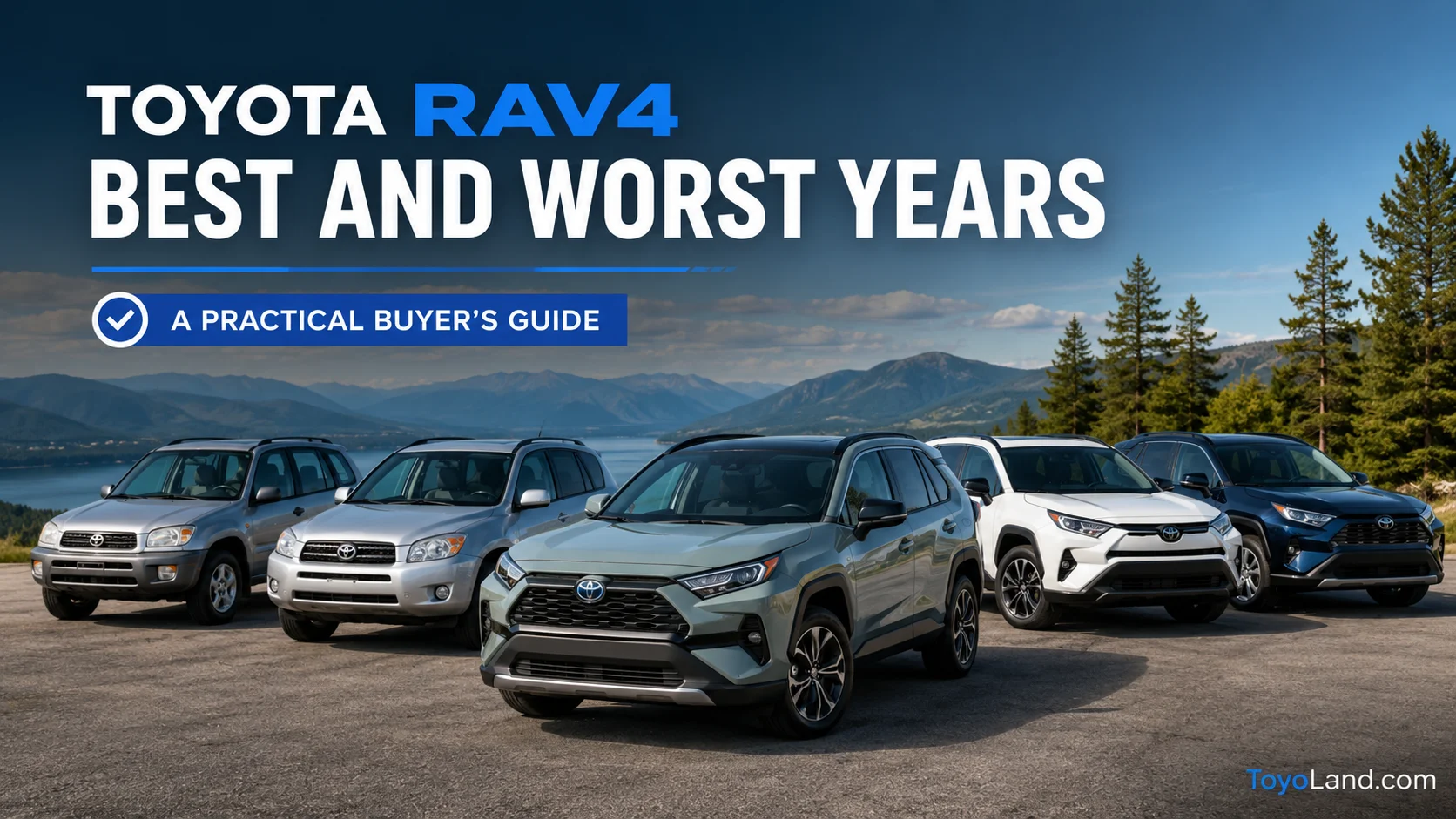

For more than two decades, the Toyota RAV4 has been one of the safest bets in the compact SUV world, but that does not mean every model year is created equal. Knowing the Toyota RAV4 best years can be the difference between a dependable family hauler that runs well past 200,000 miles and a vehicle that quietly drains a budget with avoidable repairs. Some generations earned a near-bulletproof reputation, while a handful of model years carried quirks that smart shoppers learn to sidestep. In this guide, James breaks down the strongest and weakest years, the common problems owners report, what ownership really costs, and how to inspect a used example before any money changes hands. Whether the goal is a first car, a commuter, or a reliable family SUV, the aim is simple: help a buyer choose with genuine confidence rather than guesswork.
Why the RAV4’s Reputation Holds Up
The Toyota RAV4 sits near the top of most compact crossover shortlists for good reason. Toyota’s engineering philosophy leans conservative, favoring proven components over cutting-edge experiments, and that approach tends to age well. When buyers ask whether the Toyota RAV4 is reliable, the honest answer is that the model has historically scored well in long-term dependability rankings and owner-satisfaction surveys.
That said, strong Toyota RAV4 reliability across the lineup does not guarantee that one specific used example is trouble-free. Maintenance history, mileage, and the particular model year all matter. In James’s experience inspecting used examples, a neglected “good” year can still cause headaches, while a well-cared-for car from a weaker year can serve a family faithfully for a decade.
For a broader look at how the brand performs across its full range, the Toyota reliability guide is a useful companion to this article.
Understanding the RAV4 Generations
Before sorting out the best and worst years, it helps to understand the Toyota RAV4 generations, since reliability tends to follow generational patterns rather than isolated years. The table below maps out the relevant Toyota RAV4 model years at a glance.
| Generation | Model Years | Notable Traits |
|---|---|---|
| 3rd Gen | 2006–2012 | Optional V6, roomy cabin, generally robust mechanicals |
| 4th Gen | 2013–2018 | More refined, efficiency focus, hybrid introduced in 2016 |
| 5th Gen | 2019–2025 | TNGA platform, modern tech, hybrid and plug-in hybrid options |
Toyota RAV4 Best Years
When weighing the best Toyota RAV4 years, the discussion usually centers on the back half of the 3rd generation, the mature years of the 4th generation, and the settled-in years of the current 5th generation.
Late 3rd Generation (2009–2012)
By this point, Toyota had ironed out most early-generation wrinkles. These years are frequently praised for straightforward mechanicals and a reputation for going the distance. The four-cylinder engine in particular is commonly reported as a workhorse, and clean examples still turn up at sensible prices.
Mid-to-Late 4th Generation (2016–2018)
Many shoppers consider these the sweet spot, and James often points first-time buyers here. The 2016 model introduced the hybrid, and by 2017–2018 the lineup had matured nicely with Toyota Safety Sense becoming widespread. For anyone who wants modern driver-assistance features without paying for the newest model, this is strong Toyota RAV4 best year to buy territory.
Settled 5th Generation (2021–2023)
The 5th generation launched in 2019 with a few first-year-of-platform quirks, but from 2021 onward, owner-reported issues tapered off noticeably. These are excellent picks for buyers who want newer technology and the option of genuinely impressive fuel economy from the hybrid.
For most shoppers researching the most reliable Toyota RAV4 years, the 2016–2018 and 2021–2023 windows tend to offer the best blend of dependability, value, and equipment.
Toyota RAV4 Worst Years to Avoid
No model is flawless, and a few Toyota RAV4 worst years show up repeatedly in owner complaints and reliability discussions. Knowing the Toyota RAV4 years to avoid is just as valuable as knowing the good ones.
2019 (First Year of the 5th Generation)
As is common with all-new platforms, the 2019 redesign attracted more complaints than the years that followed. The most discussed concern was a fuel-tank issue, where the tank reportedly did not always fill completely on certain hybrid and gas models. Some owners also reported transmission hesitation at low speeds. Both are worth checking carefully on any 2019 example.
2007–2008 (Early 3rd Generation)
The early 3rd-gen years are sometimes flagged among the least reliable Toyota RAV4 years, partly due to a well-documented oil-consumption concern on certain four-cylinder engines from this period. A buyer eyeing one of these should specifically ask about oil-usage history and check the dipstick during inspection.
The table below summarizes Toyota RAV4 reliability by year at a high level. As always, condition and maintenance can outweigh the model year itself, so treat this as a starting point rather than a verdict on any individual car.
| Year Range | General Standing | What to Watch |
|---|---|---|
| 2007–2008 | Weaker | Oil consumption on some 4-cyl engines |
| 2009–2012 | Strong | Aging electronics, normal wear items |
| 2013–2015 | Solid | Dated infotainment, minor quirks |
| 2016–2018 | Strong | Few major concerns reported |
| 2019 | Weaker | Fuel-tank fill issue, transmission hesitation |
| 2020 | Average | Some carryover 2019 concerns |
| 2021–2023 | Strong | Few widespread issues reported |
For shoppers wondering which Toyota RAV4 years are best versus which Toyota RAV4 years should you avoid, the pattern is clear: lean toward the mature years within each generation, and be cautious with the first year of any new platform.
Common Problems Worth Knowing
Even reliable vehicles have patterns, and understanding the Toyota RAV4 common problems helps a buyer inspect smartly rather than fearfully. Looking at Toyota RAV4 problems by year reinforces a reassuring theme: most issues cluster around platform debuts and a couple of older engine years, not across the board.
Engine Concerns
The most cited Toyota RAV4 engine problems involve oil consumption on certain older four-cylinder units, especially in the 2007–2008 range. On newer engines this is far less commonly reported. Checking oil level and color during inspection is a quick, telling step that James never skips.
Transmission Behavior
Reports of Toyota RAV4 transmission problems are relatively limited, but the most notable cases involve hesitation or rough shifting on early 5th-generation models. A test drive that includes low-speed acceleration usually reveals whether a specific example exhibits this behavior.
Hybrid-Specific Notes
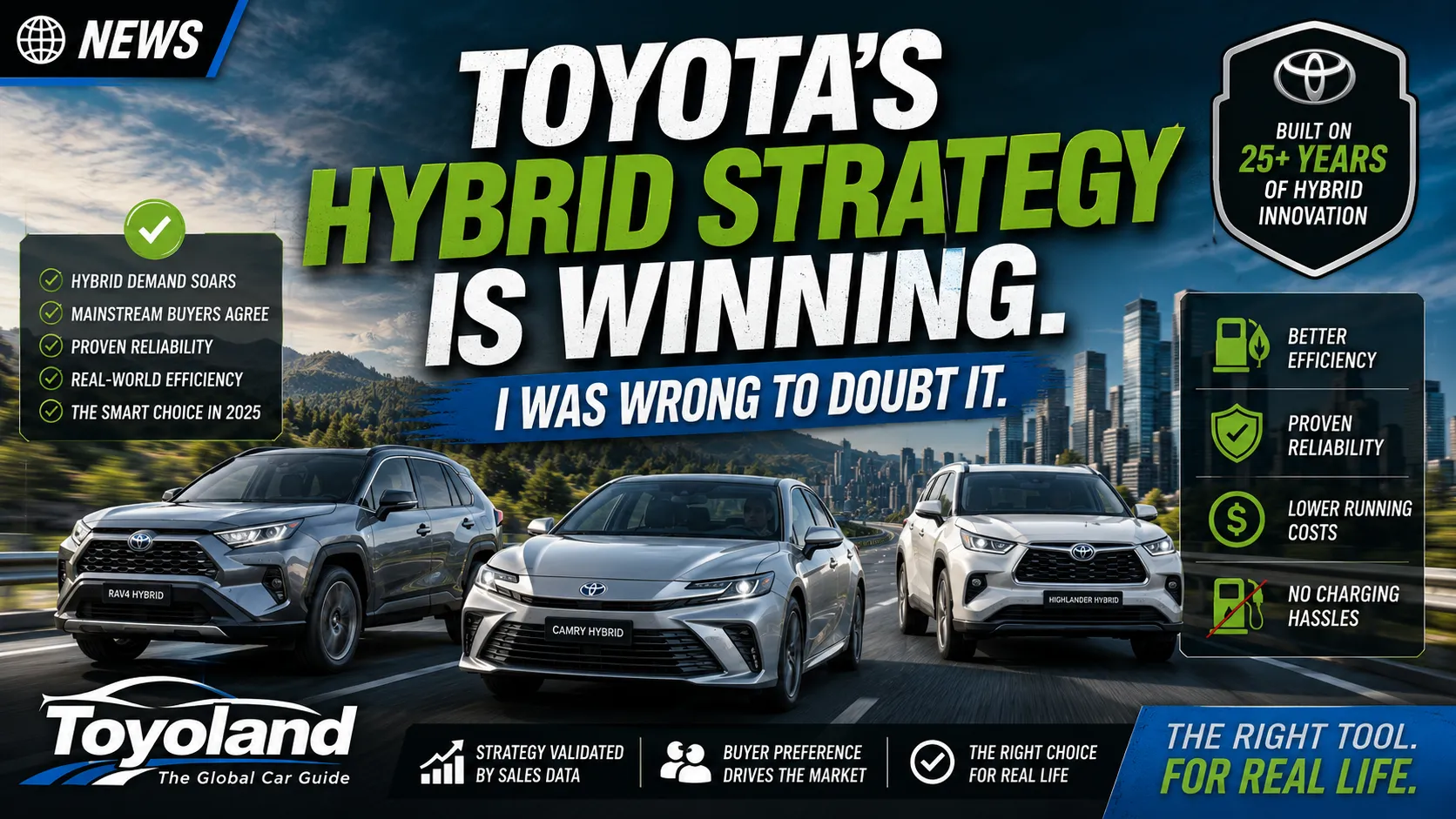
For Toyota RAV4 hybrid reliability, the news is largely positive. Toyota’s hybrid system is one of the most proven in the industry, and RAV4 hybrid reliability generally earns praise for durability. The main 2019-era concern was the fuel-tank fill issue rather than the hybrid drivetrain itself, which has held up well in real-world use.
Ownership Costs and Resale Value
Reliability is only half the financial story. Smart buyers also weigh Toyota RAV4 ownership costs across the years they plan to keep the vehicle. The Toyota RAV4 maintenance cost is generally considered reasonable for the segment, with routine service that most independent shops can handle affordably. Hybrids may cost slightly more for certain components but often offset that through fuel savings, and tracking the RAV4 maintenance cost over time, owners frequently report fewer surprise repairs than rivals in the class.
Where the RAV4 really shines is Toyota RAV4 resale value. Steady demand for used examples means depreciation tends to be gentler than average, which protects a buyer’s investment if they later sell or trade. That resale strength is one reason James regularly recommends the RAV4 to value-conscious shoppers.
For buyers comparing total cost across vehicles, the best used cars under $20,000 roundup and the first car buying guide both pair well with this article.
How to Inspect a Used RAV4
A proper Toyota RAV4 used car inspection can reveal whether a specific example lives up to the model’s reputation. Here is the practical checklist James works through on any used Toyota RAV4 he considers. Think of it as the backbone of a real used Toyota RAV4 buying guide rather than a generic list.
- Review service records for consistent oil changes, especially on older four-cylinder engines.
- Check oil level and condition, and ask the seller directly about any oil top-ups between changes.
- On a 2019 model, confirm the fuel tank fills properly and ask whether any related service was performed.
- Test drive at both low and highway speeds to feel for transmission hesitation.
- Inspect for uneven tire wear, which can hint at alignment or suspension issues.
- Scan for warning lights and arrange a pre-purchase inspection with an independent mechanic.
That kind of diligence is what turns the RAV4’s strong reputation into a genuinely good individual purchase. Buyers can also compare the service history with Toyota’s official owner manuals and warranty guides to understand the recommended maintenance schedule.
Common Buyer Mistakes
A few recurring Toyota RAV4 buyer mistakes are worth avoiding, and James sees them play out again and again:
- Assuming all years are equal. A 2019 and a 2017 can differ meaningfully in reported issues.
- Skipping the inspection. The RAV4’s reputation tempts buyers to skip due diligence, which is exactly when problems slip through.
- Overpaying because of the badge. Strong demand can inflate prices, so comparison shopping protects the wallet.
- Ignoring maintenance history. A documented record often matters more than the model year itself.
How the RAV4 Compares to Rivals
No buying decision happens in a vacuum, and the RAV4 has worthy rivals.
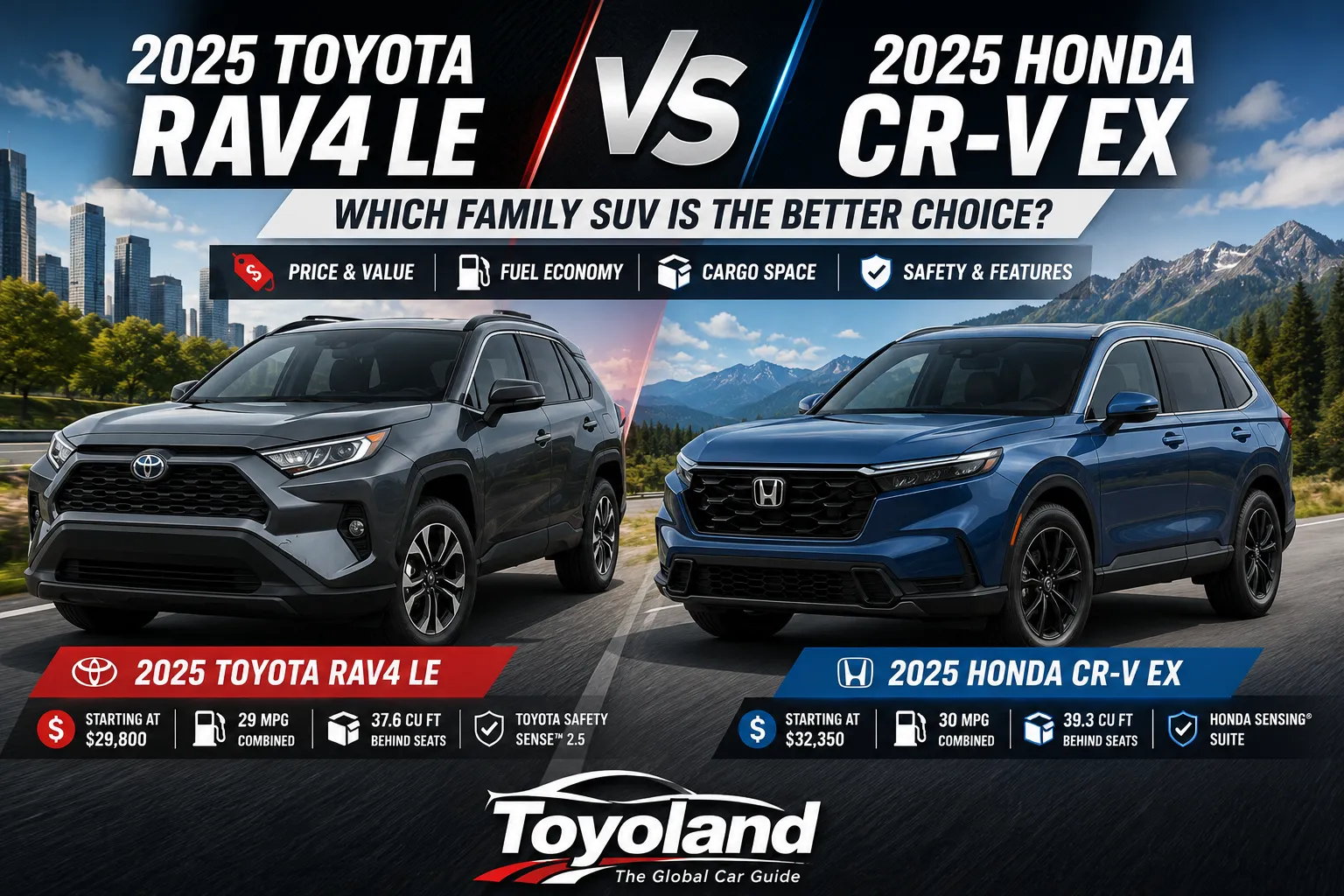
The most common cross-shop is the Toyota RAV4 vs Honda CR-V matchup, where both Toyota RAV4 vs Honda CR-V contenders post excellent reliability records. Another frequent comparison is the Toyota RAV4 vs Mazda CX-5, which trades a little cargo space for a more engaging drive.
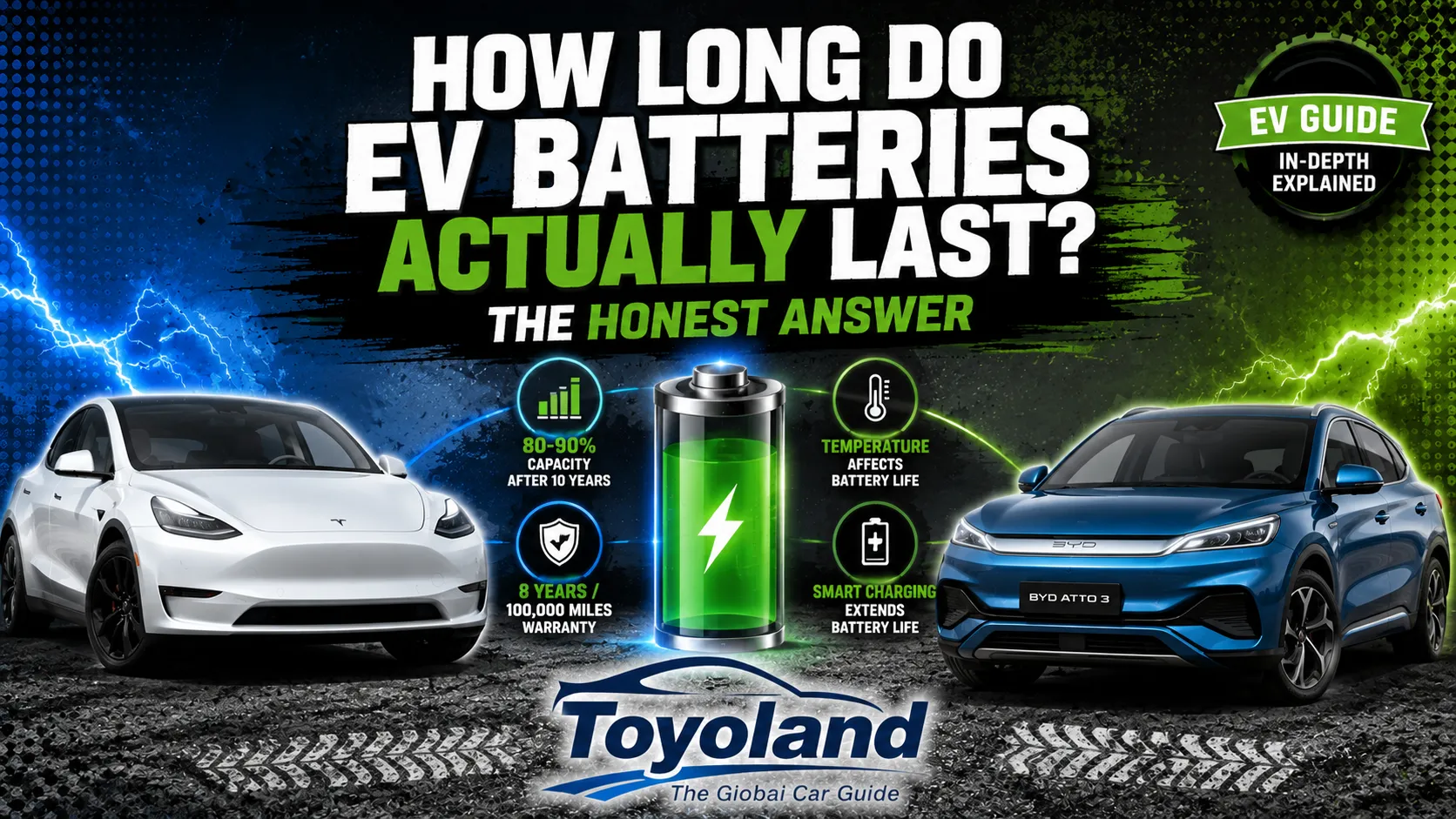
Shoppers torn between electrified and conventional models often research the Toyota RAV4 hybrid vs gas trade-off, weighing upfront cost against fuel savings. For those exploring electrified options more broadly, the EV guide offers helpful context, and the car comparison tool makes it easy to line up specs side by side.
As a family vehicle, the RAV4 consistently ranks among Toyoland’s best family SUVs recommendations thanks to its space, safety, and dependability. Buyers who specifically want a reliable used SUV or the best used compact SUV in its class will find the RAV4 near the top of nearly every list, a testament to Toyota’s broader reputation for SUV reliability.
Final Verdict
For anyone weighing the Toyota RAV4 best and worst years, the takeaway is encouraging. The model’s overall track record is excellent, and the genuinely weak years are few. The 2016–2018 and 2021–2023 windows stand out as the best year for used RAV4 shopping, offering a strong mix of features, safety, and proven dependability. The 2019 first-year model and the older 2007–2008 four-cylinder examples deserve extra scrutiny, though even those can serve well with the right history.
So is a used Toyota RAV4 worth buying? In James’s view, for most shoppers the answer is yes, provided they choose a solid year, inspect carefully, verify maintenance records, and check the vehicle’s VIN through the official NHTSA recall lookup. Pair that diligence with comparison shopping, and the RAV4 remains one of the smartest used SUV buys on the market. For more on how Toyota stacks up against its closest competitor, the Honda vs Toyota reliability breakdown is a worthwhile next read.