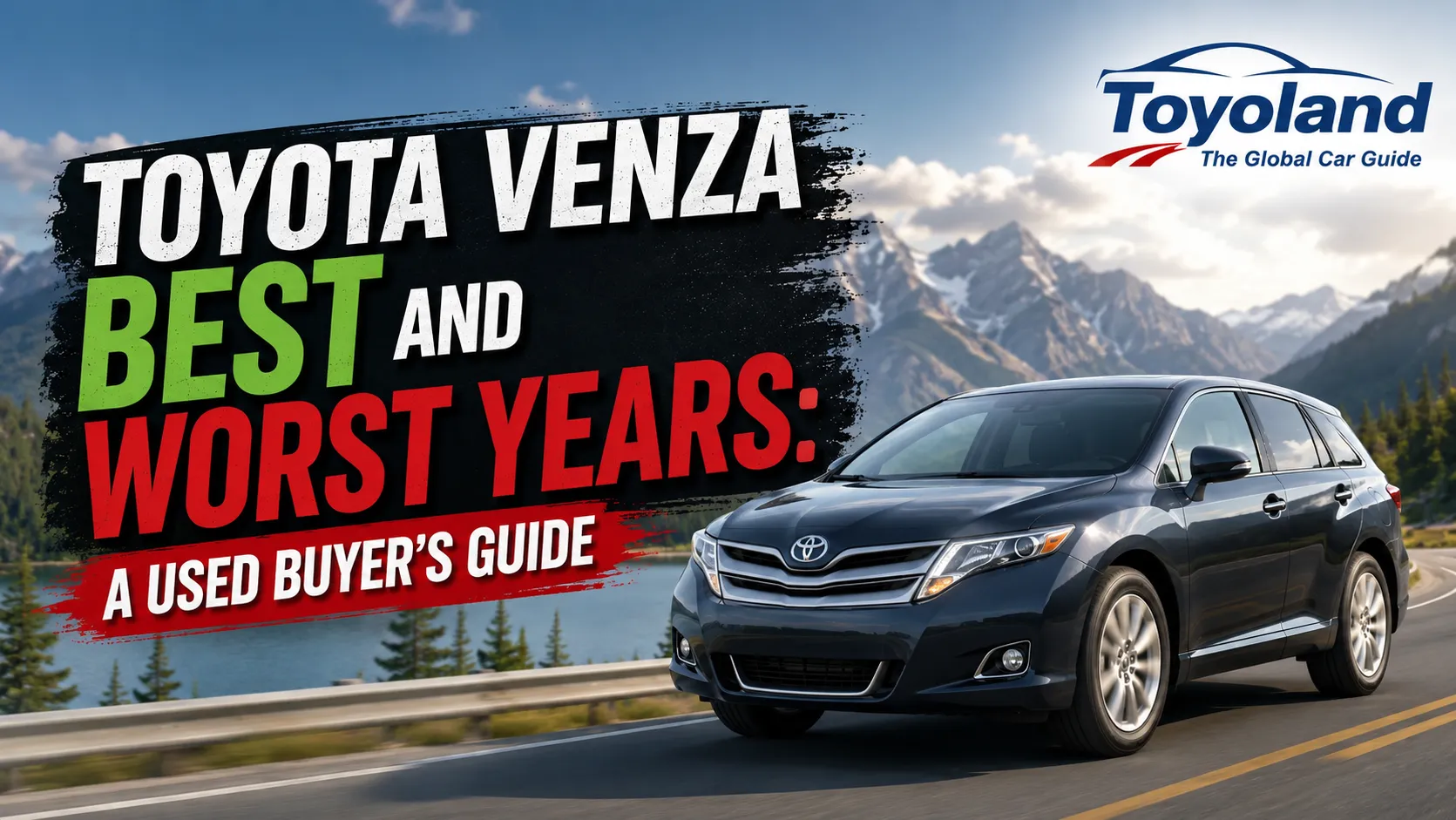

The Venza is the rare nameplate that lived twice — and the two lives have almost nothing in common. The 2009–2015 original was a Camry in hiking boots: a wide, comfortable crossover with four-cylinder or V6 power and the usual early-run teething. The 2021–2024 revival was a different machine entirely — hybrid-only, RAV4-family running gear, near-luxury hush — and it was discontinued at the top of its game. Shopping used means knowing which Venza you’re actually looking at, because the homework for each is completely different.
As always, the map runs on evidence: consistent owner records first, our judgment labeled as judgment, and the wider context in how reliability varies across the Toyota lineup.
The short version
- Buy with confidence: 2022–2024 — the sorted hybrid years, among the cleanest records in the segment.
- Best of the first generation: 2014–2015, with 2015 the pick.
- Handle with care: 2009–2011 (oil consumption on the four-cylinder, steering complaints, brake wear) and 2013 four-cylinders (the oil habit’s last stand). Prefer the V6 anywhere in Gen 1.
- 2021: a good car with launch-year quirks — check the software and glass, not the drivetrain.
2022–2024: the ones to actually buy
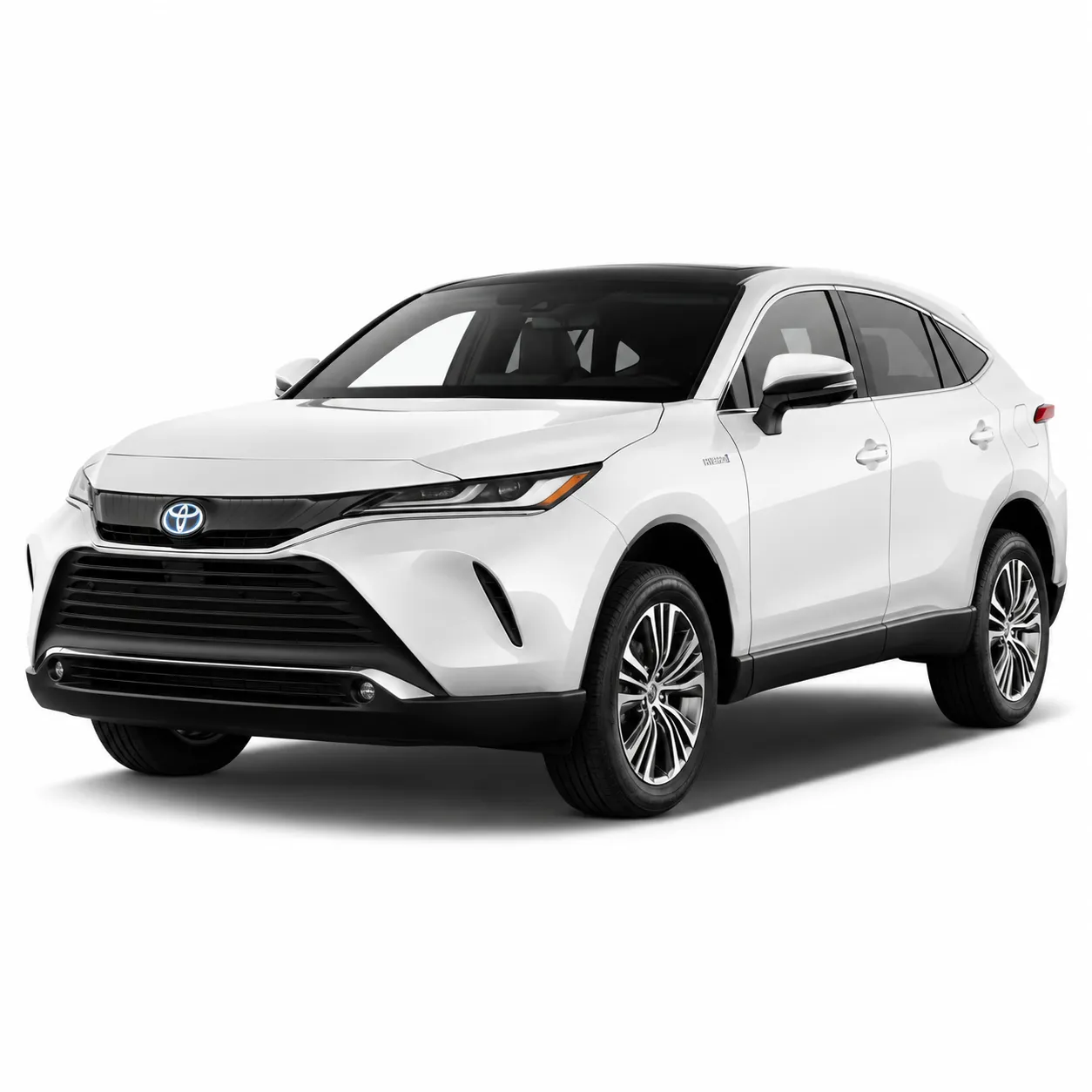
By its second year, the reborn Venza had shaken off its launch quirks and settled into what it remained until the end: a quiet, 219-horsepower hybrid with standard all-wheel drive, high-30s fuel economy, and complaint sheets that stay near-silent through 2024. The powertrain is the RAV4 Hybrid family’s — as proven as modern drivetrains get — and battery anxiety shouldn’t factor at all; our Toyota hybrid battery guide covers why these packs routinely outlast the rest of the car. Toyota retired the Venza after 2024 to make room for the Crown Signia, and the market noticed: clean examples hold value stubbornly. You’re paying for certainty, and in this case the certainty is real.
 Toyota
2021: the launch-year asterisk
First-year cars drew the familiar modern-launch complaints — infotainment screens that froze until software updates arrived, a run of windshield-glass gripes, the occasional confused sensor — while the mechanical package stayed clean. That makes the 2021 a lighter-check buy, not a caution: confirm the software’s current, inspect the glass edge-to-edge, run the VIN, and price the small discount it carries against the 2022+ cars.
The first generation: pick your engine, then your year
Gen-1 buying starts with a fork. The 3.5L V6 is the durable heart of the era and sidesteps its defining problem; the 2.7L four-cylinder carries the generation’s one real engine story — oil consumption through piston-ring wear, with complaints concentrated from 2009 through 2013. There was never a named U.S. coverage program for it, so it’s a condition question, answered the old way: pull the dipstick, ask about top-up habits between changes, and let a documented history beat a low odometer.
The early years add the rest of the launch-window noise: steering complaints (rack leaks, intermediate-shaft wear, a stiff or noisy feel — turn lock-to-lock at a stop and listen), premature brake-wear reports on 2009–2010 cars, oil seeps in 2010, and water pumps as the standard wear item. 2012–2013 trade most of the mechanical items for interior-accessory and electrical gremlins — test every switch, window and screen function. Then 2014–2015 deliver the generation as it should have launched: complaint counts drop, the known issues fade, and the 2015 stands as the best first-gen Venza — a comfortable, Camry-based crossover that’s now genuinely cheap to buy and keep.
- Gen 2 (2021–2024): hybrid-only, AWD-standard, near-luxury quiet — the mature product of Toyota's best-selling hybrid platform.
- Gen 1 (2009–2015): Camry bones, cheap upkeep, and a genuinely sorted 2014–2015 finale.
- Every known Gen-1 fault is a driveway check: dipstick, steering feel, switchgear.
- The 2.7L's oil habit (2009–2013 records) never got a program — buyers rely entirely on condition.
- 2021's launch quirks (infotainment, glass, sensors) are real, if minor — check before assuming Gen-2 perfection.
Venza or RAV4? The honest cross-shop
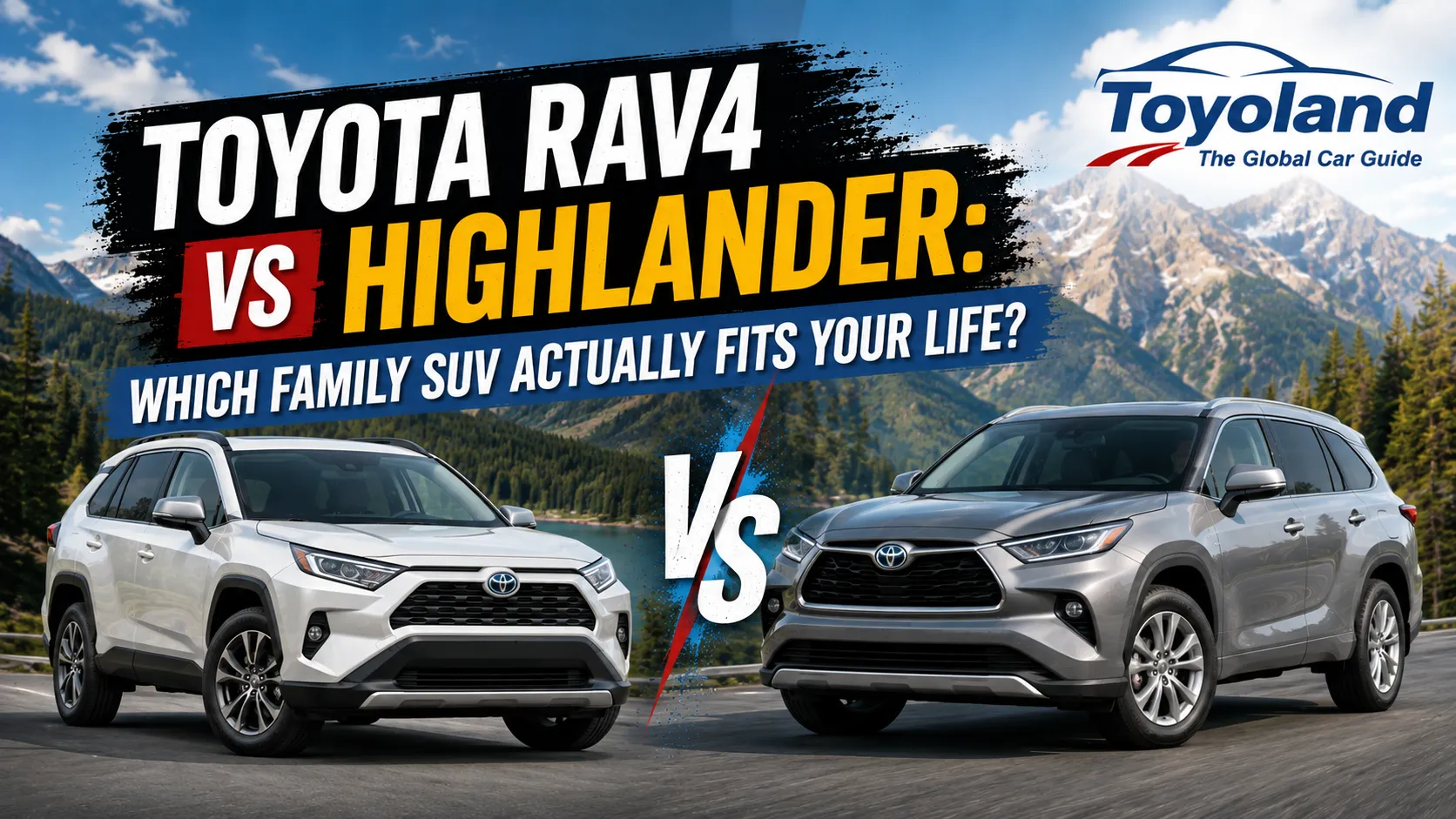
Same hybrid family, different missions. The Venza trades the RAV4’s cargo boxiness and trail pretensions for hush, ride comfort and style — think of it as the RAV4 Hybrid’s dressed-up sibling with a lower roofline and a softer voice. If maximum practicality per dollar is the goal, our RAV4 best and worst years guide is the page to read next; if you keep gravitating to how a car feels at 70 mph, the Venza is the quieter answer. Either way, the best hybrid SUVs puts both in segment context.
Venza Buying Snapshot by Era
| Car Name |
Spec Label
|
Spec Value
|
|---|---|---|
| 2009–2011 (Gen 1) | Verdict / Watch for | Caution / 2.7L oil use, steering, brakes — prefer V6 |
| 2012–2013 (Gen 1) | Verdict / Watch for | Situational / Interior electrics; 2013 4-cyl oil |
| 2014–2015 (Gen 1) | Verdict / Watch for | Good older value / 2015 the pick; records |
| 2021 (Gen 2) | Verdict / Watch for | Good / Infotainment software, windshield, VIN |
| 2022–2024 (Gen 2) | Verdict / Watch for | Best / Near-silent record; pay for certainty |
Before you buy any Venza
- Gen 1 four-cylinder: dipstick + top-up history — the whole interview in two minutes. Prefer the V6.
- 2009–2011: steering feel lock-to-lock, brake-wear history, underhood seep check.
- 2012–2013: every switch, window, and screen — the era’s faults are electrical.
- 2021: software current, windshield inspected, VIN swept.
- All hybrids: battery-condition scan over verbal assurance; 12V test.
- Everything: records over odometer, as always.
And if you’re weighing a Gen-1 V6 against a Gen-2 hybrid on running costs, our fuel cost calculator settles it in about a minute — the hybrid’s advantage compounds fast at commuter mileage.
The bottom line
The Venza’s two lives produce one clean buying answer at each end: a 2014–2015 (V6 if you can find it) as the budget play, and a 2022–2024 as one of the safest used-hybrid purchases in the market — a discontinued car whose only real flaw is that everyone else knows how good it is too. Do the era-specific checks, and either Venza will do the quiet, comfortable thing it was built for, for a very long time.