

If I had to pick one corner of the car market that has quietly become the default choice for ordinary families, it’s this one. The hybrid SUV asks for none of the compromises that used to define “sensible” motoring: you get the space and seating position families love, fuel bills that would have seemed like a misprint a decade ago, and none of the charging anxiety that still puts many buyers off going fully electric. Little wonder every manufacturer now wants a piece of it. That crowding is good news for you and bad news for anyone trying to choose — which is where I come in. I’ve spent a lot of time in these cars, ferried real families and real luggage in them, and had the honest conversations with owners about what they love and what quietly annoys them. Here’s my guide to the ones worth your money in 2026, and just as importantly, how to pick between them.
How I judge a hybrid SUV
Lists like this often read as if they were assembled from spec sheets. Mine isn’t, so let me show my working. I weight four things. Real-world economy — not the laboratory figure, but what owners actually see on the school run and the motorway. Practicality — boot shapes, rear-seat space for actual child seats, door openings your grandmother can manage. Dependability — because a family car that spends time in workshops fails at its one job, and hybrid systems vary in maturity. And total cost — purchase price, yes, but also insurance, resale strength, and servicing. Driving fun matters less here than in other classes; if you want thrills, you’re reading the wrong guide, and I say that with love.
Toyota RAV4 Hybrid: the one to beat
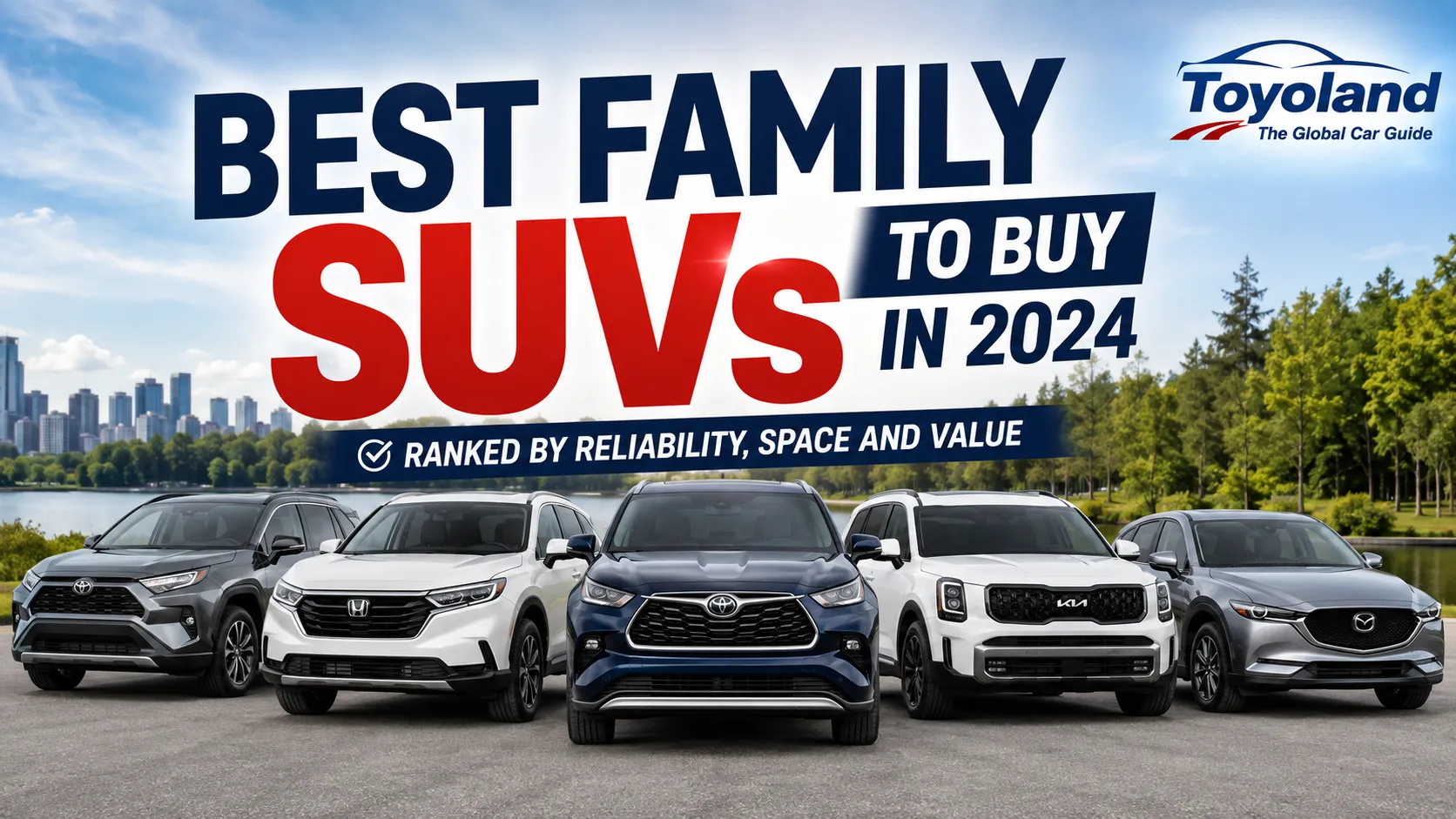
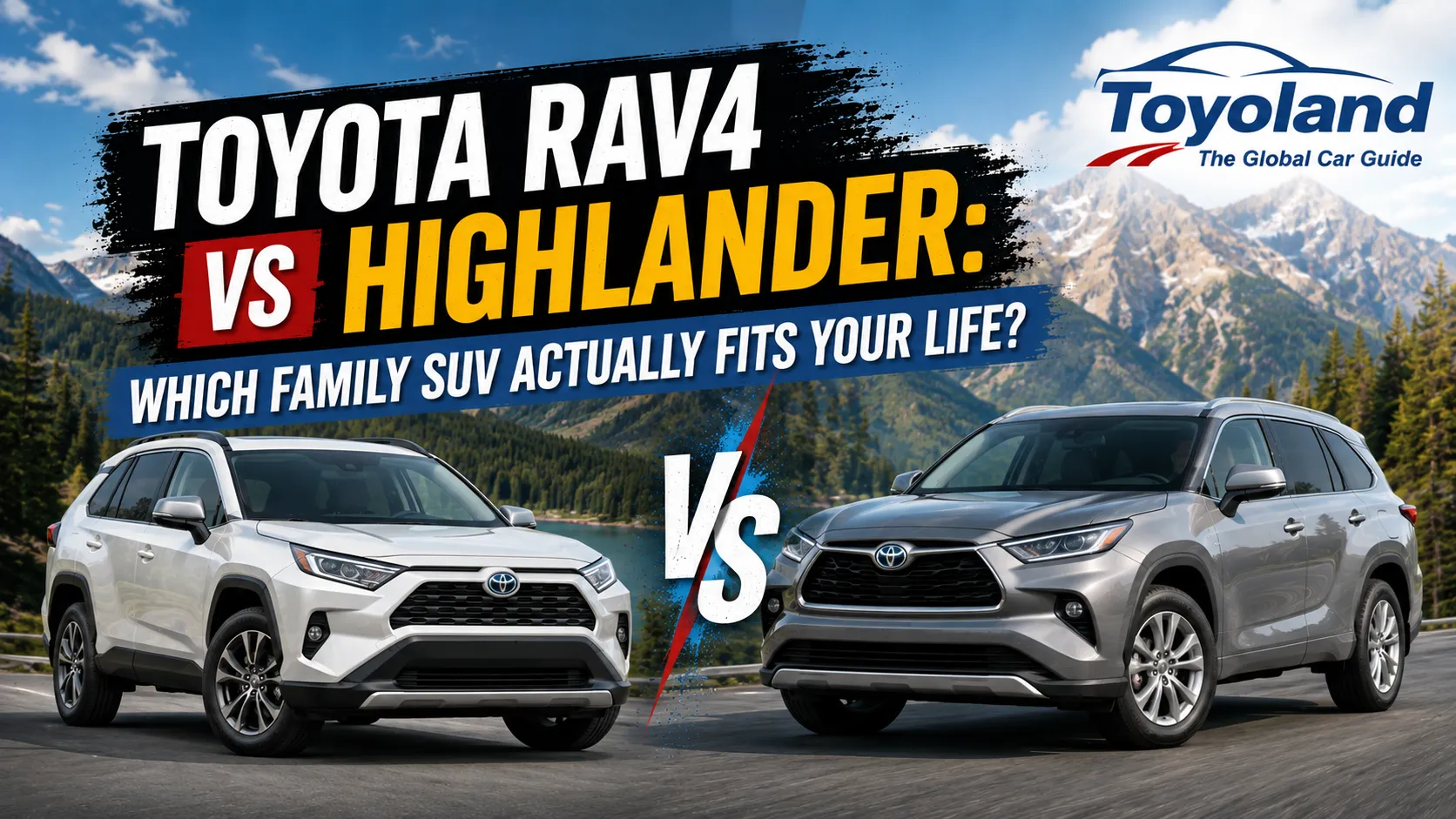
Every class has a default answer, and in hybrid SUVs it wears a Toyota badge. The RAV4 Hybrid is the car I end up recommending most often for a simple reason: it has no meaningful weaknesses. The hybrid system is the most proven in the industry, with decades of refinement and a reliability record that borders on dull. Real-world economy is genuinely excellent for the size of car. The boot is big and usefully square, the back seat handles two child seats without a fight, and the whole car feels engineered to shrug off a decade of family life.
The honest criticisms: the engine can drone when you demand full acceleration, the infotainment does the job without delighting anyone, and the styling is more rugged than pretty. None of these will matter in month six of ownership. What will matter is the fuel economy, the resale value — consistently among the strongest in the entire market — and the sense that nothing about the car is ever going to surprise you. For most families reading this, the search can genuinely end here. The rest of this list is for those with more specific needs.
Honda CR-V Hybrid: the comfortable alternative
If the RAV4 is the sensible default, the CR-V Hybrid is the choice for those who prioritise comfort and space above all. The Honda’s cabin is the roomier of the two, especially in the back, where adults stretch out and bulky child seats fit with room to spare. The ride is more supple, the cabin quieter at a cruise, and the overall impression a half-step more premium. Honda’s hybrid system takes a different technical approach from Toyota’s, and while its track record is shorter, it has matured into a smooth, efficient companion with a strong reputation of its own.
The trade-offs are modest: economy typically lands a whisker behind the Toyota’s, and resale values, while strong, don’t quite match the RAV4’s fortress reputation. But if you sit in both back-to-back — and you should — many people step out of the Honda and simply prefer being in it. That’s worth something real over years of ownership.
Toyota Corolla Cross Hybrid: the right-sized option
Here’s a truth the SUV market doesn’t like to admit: many families buy more car than they need. If your reality is one child, city streets, and tight parking, the Corolla Cross Hybrid offers the raised seating and practicality that draw people to SUVs, wrapped around the mechanicals of the world’s most dependable small car. Economy is superb, it’s noticeably easier to thread through town and multi-storey car parks, and it costs meaningfully less to buy and insure than the class above.
The compromise is space: it’s fine for small families, tight for bigger ones, and the boot won’t swallow a full pram-plus-holiday load the way a RAV4’s will. But as a first family car, or a second car that does the daily grind, it’s a quietly brilliant piece of right-sizing — and right-sizing is the cheapest economy measure of all.
Hyundai Tucson Hybrid and Kia Sportage Hybrid: the value players
The Korean twins deserve their surging popularity. Mechanically related but styled worlds apart, the Tucson and Sportage hybrids bring striking design, generously equipped cabins with the biggest, slickest screens in the class, and long manufacturer warranties that take genuine anxiety out of ownership. Interior space is competitive with the best here, and pricing frequently undercuts the Japanese establishment for equivalent kit.
Where do they give ground? Real-world economy tends to trail the Toyota by a noticeable margin, and their hybrid systems, though increasingly well-regarded, don’t yet have the twenty-five-year proof of endurance Toyota can point to. Resale is solid rather than exceptional. But for buyers who want maximum car and technology for the money — and that long warranty as a safety net — they’re extremely easy to recommend, and the styling wins hearts in a way the worthier choices sometimes don’t.
A word on the bigger options
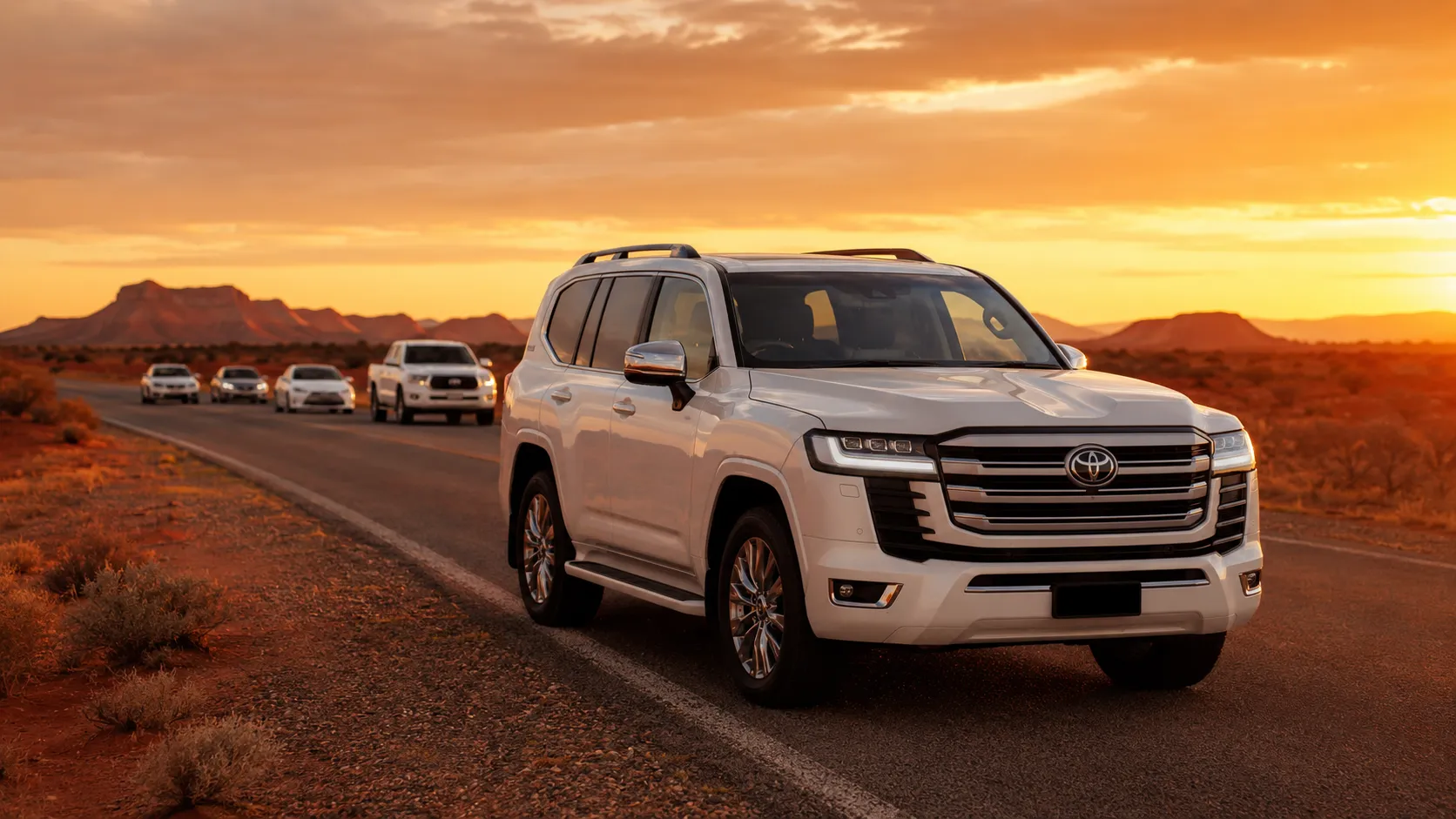
Need seven seats or serious towing? The hybrid formula scales up. Toyota’s larger hybrid SUVs — including the Highlander family in markets that get it, and the hybrid-assisted Land Cruiser at the rugged extreme — extend the same low-stress ownership to bigger duties, and rivals from Kia and Hyundai offer three-row hybrid options with the same value pitch as their smaller siblings. The principles in this guide carry over directly; just weight boot access and third-row usability more heavily, and test with the actual child seats and actual pram you own. Bring them to the showroom. Yes, really. The salesperson has seen it before, and twenty minutes of real-world fitting beats every brochure measurement ever printed.
The mistakes I watch hybrid SUV buyers make
Having sat alongside a lot of these purchases, the same avoidable errors recur often enough to deserve their own section. The first is buying on the laboratory economy figure. Official numbers are generated in conditions your commute will never replicate; the gap between brochure and reality varies by model, and a car that wins on paper can lose on your actual roads. Owner-reported real-world figures are freely available and worth twenty minutes of your research time.
The second mistake is over-buying on size. The showroom makes every car look manageable; your multi-storey car park will not. Families routinely buy the bigger SUV “to be safe” and then spend years squeezing it into spaces, when the class below would have swallowed their actual life with room to spare. Measure your parking space and your garage before you fall in love. The third is ignoring the total monthly cost: a tempting purchase price can hide higher insurance, thirstier real-world economy, and weaker resale that together erase the saving. Price the whole ownership, not the windscreen sticker. And the fourth — my personal crusade — is skipping the back-to-back test drive. These cars feel far more different from behind the wheel than their spec sheets suggest, and driving your two finalists on the same afternoon, on the same roads, settles debates that weeks of reading cannot.
New or used? The hybrid SUV version of the eternal question
The strong resale values that make these cars satisfying to own cut against you when buying used: hybrid SUVs, especially Toyota’s, depreciate slowly, so the used discounts are real but rarely spectacular. That changes the usual calculus. Where a heavily depreciating car makes a three-year-old example the obvious play, a nearly-new RAV4 Hybrid can cost close enough to new that the fresh warranty, latest safety kit, and first-owner history justify stretching. On the other hand, higher-mileage examples with strong service history are excellent value precisely because the drivetrains are so proven — this is the rare class where a 90,000-mile car with records is a rational family purchase rather than a gamble. If you do buy used, add a hybrid battery health check to your inspection; it’s quick, cheap, and converts the one lingering unknown into a printed number. The Korean options flip the logic slightly: their long transferable warranties make used examples unusually reassuring, since a three-year-old car may still carry years of factory coverage.
How to choose between them: my honest flowchart
- Want the safest all-round bet with the best economy and resale? RAV4 Hybrid. It’s the default for a reason.
- Prioritise cabin space and ride comfort? CR-V Hybrid. Sit in both; let your back decide.
- City life, smaller family, tighter budget? Corolla Cross Hybrid. Right-size and pocket the difference.
- Want maximum equipment and design for the money, with a long warranty? Tucson or Sportage Hybrid — pick whichever styling you prefer; they’re siblings under the skin.
Whichever way you lean, do three things before signing. Get insurance quotes for your actual shortlist — the spread can be surprising. Run your annual mileage through a fuel cost calculator with each car’s real-world figures, because the economy differences compound over years. And take a proper test drive on your roads, with your family, at your pace. A hybrid SUV is a ten-year relationship for many households. Choose it like one.