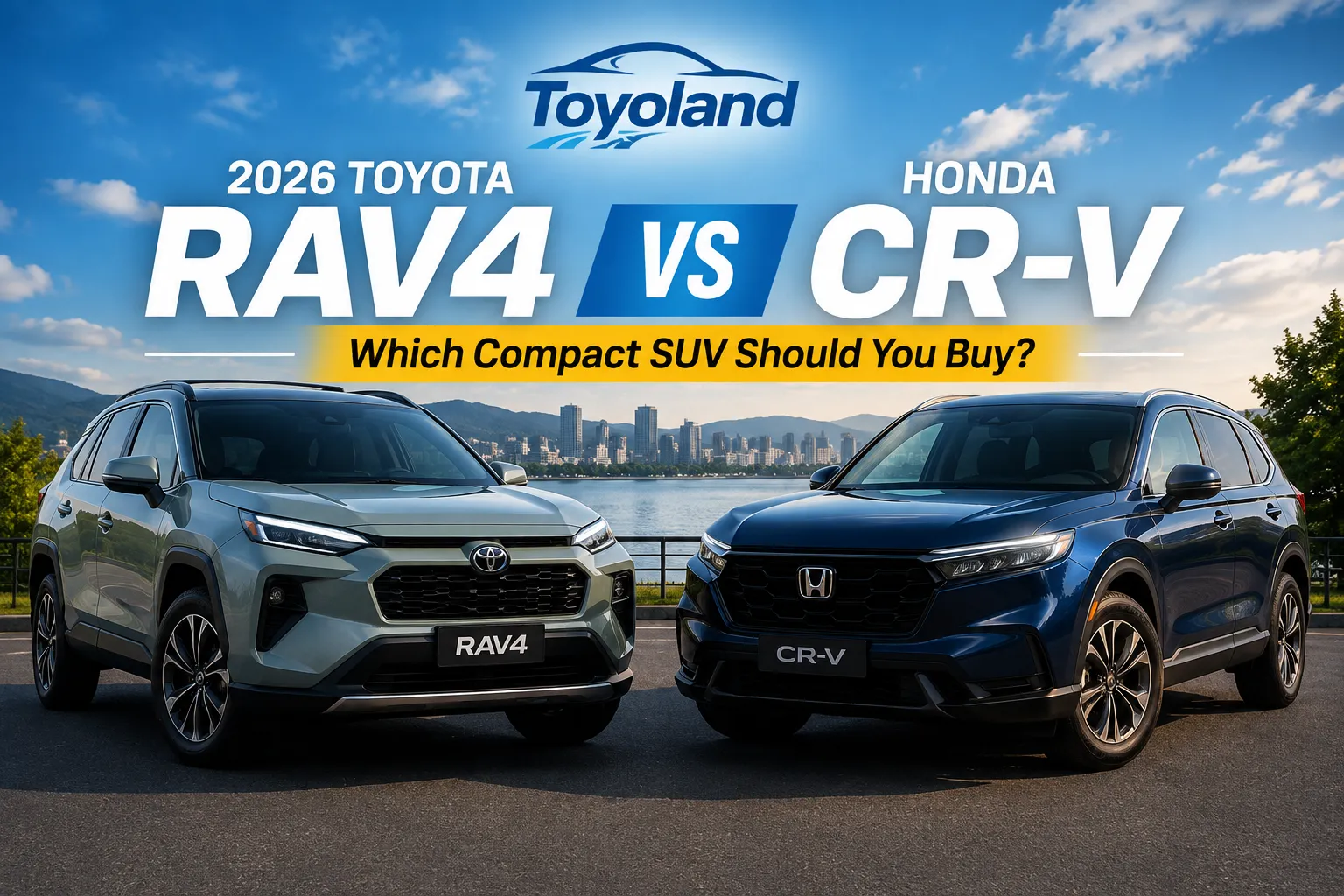

For two decades the Toyota RAV4 and Honda CR-V have been the default answer to “what compact SUV should I get?” — and for good reason. They are the two best-selling vehicles in their class, both built on reputations for lasting a long time and holding their value. If you are cross-shopping them in 2026, you are not choosing between a good option and a bad one. You are choosing between two genuinely strong SUVs that now differ in one unusually important way.
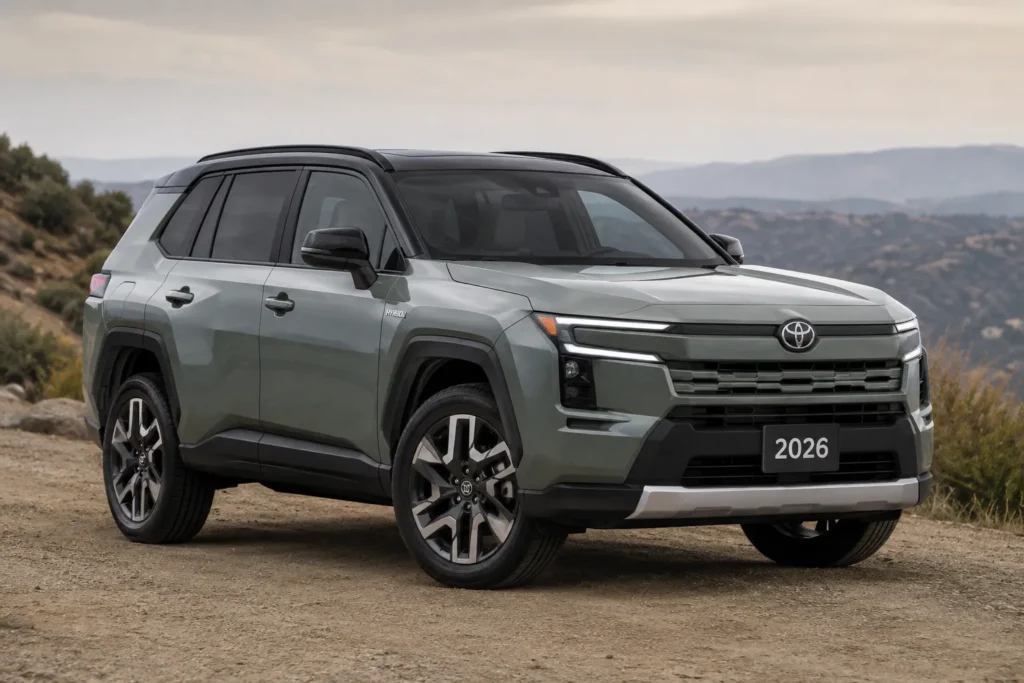
That difference frames this entire comparison. For 2026, the RAV4 is completely redesigned — an all-new sixth generation that drops gasoline-only power entirely and is now hybrid (or plug-in hybrid) only. The CR-V carries over as a mature, well-sorted platform that still offers a choice between a turbocharged gas engine and a hybrid. In other words, you are weighing a brand-new design against a proven one. Which matters more depends on what kind of buyer you are — and that is exactly what this guide is built to sort out.
Throughout, we separate what is documented (manufacturer specifications, government safety ratings) from what is reported (third-party reliability scores and owner patterns) from our own editorial assessment.
The quick verdict
If you want the short version:
- Choose the RAV4 if you want the newest design, standard hybrid efficiency across the range, available all-wheel drive with strong output, a plug-in option with real electric range, and Toyota’s latest technology — and you are comfortable being an early adopter of a first-year redesign.
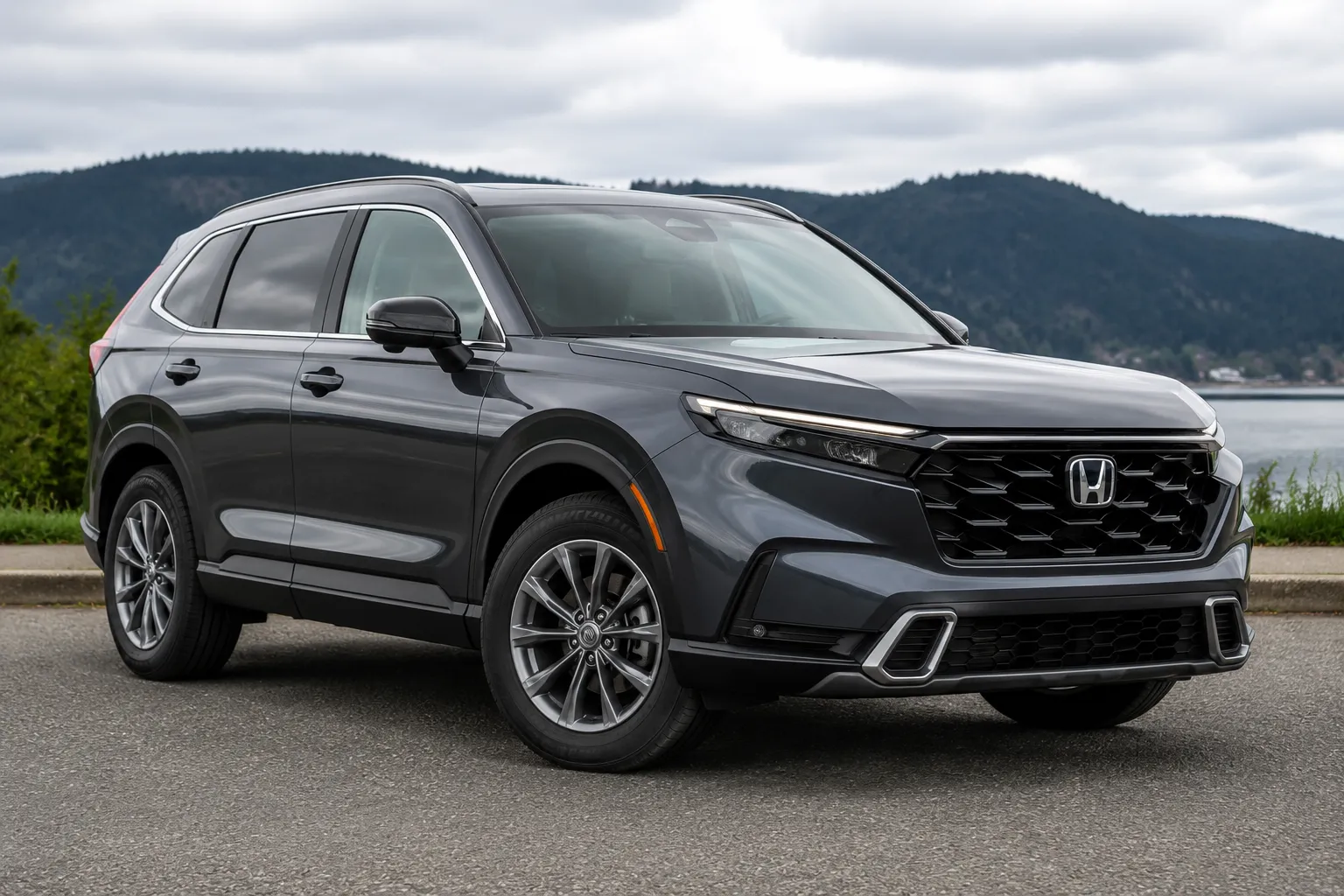
- Choose the CR-V if you value a proven, mature platform, want the flexibility of a lower-cost gas model or an efficient hybrid, prioritize a spacious, user-friendly cabin, and prefer a vehicle with several years of real-world ownership data behind it.
Neither is a mistake. The rest of this guide explains where each pulls ahead, and for whom.
RAV4 vs CR-V — 2026 at a Glance
|
Toyota RAV4
|
Honda CR-V
|
|
|---|---|---|
| Powertrains | Hybrid only (+ PHEV) | Gas 1.5T or hybrid 2.0L |
| Horsepower | 226 FWD / 236 AWD (std hybrid) | 190 gas / 204 hybrid |
| Drivetrain | FWD or AWD | FWD or AWD |
| Transmission | CVT (eCVT) | CVT / hybrid eCVT |
| Plug-in option | Yes — RAV4 PHEV: 324 hp, up to 54 mi EV (SE) | No |
| 2026 status | All-new sixth-generation redesign | Carryover mature platform (since 2023) |
| NHTSA overall | Not yet published (new design; selected for testing) | 5 stars |
| IIHS note | New gen not yet tested; prior gen (2019-25) was Marginal on updated moderate-overlap | Good small-overlap/side/headlights; Poor moderate-overlap |
| Starting price | $31,900 Hybrid LE (before fees); PHEV from $42,950 | ~$30,900 gas LX (before dest.); hybrid from mid-$30,000s |
Price and value
Because the 2026 RAV4 is hybrid-only, its pricing structure changed: front-wheel drive returns as an option to help keep the entry price accessible. The redesigned RAV4 Hybrid starts at $31,900 MSRP for the LE grade (before Toyota’s processing and handling fee), while the RAV4 Plug-in Hybrid opens at $41,500 for the SE (including destination). The CR-V spreads across a wider range: the gas CR-V starts lower — around $30,900 MSRP for the front-wheel-drive LX (before destination) — while the CR-V Hybrid trims run from the mid-$30,000s into the low-to-mid $40,000s depending on trim and drivetrain.
The practical takeaway: if the lowest possible sticker matters most, a base gas CR-V is typically the cheapest way into this pair. If you specifically want a hybrid, the two land closer together, and the RAV4’s hybrid-standard approach means every RAV4 is efficient by default rather than only in upper trims. Before committing, it is worth using a tool to
estimate the running costs before you buy, since fuel and depreciation usually outweigh the sticker difference over several years.
 Toyota
 Honda
Honda
Powertrains and performance
This is where the 2026 redesign reshapes the comparison most.
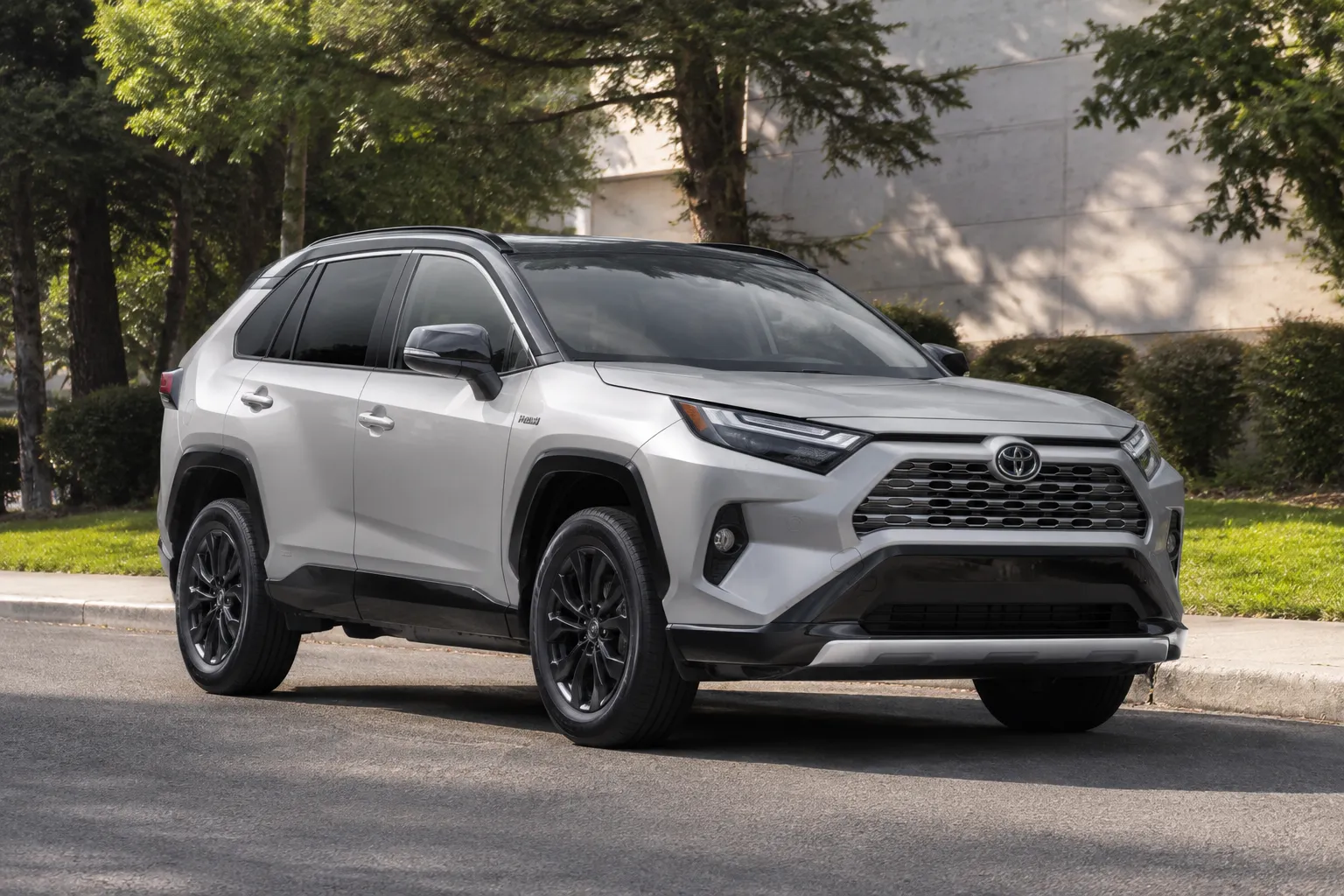
The RAV4 is now hybrid across the board. The standard hybrid produces a net 226 horsepower with front-wheel drive and 236 horsepower with all-wheel drive, paired with a continuously variable transmission. Above that sits the RAV4 plug-in hybrid (Toyota dropped the “Prime” name for 2026), which makes a net combined 324 horsepower with standard all-wheel drive and offers a manufacturer-estimated all-electric range of up to 52 miles, depending on grade — before the hybrid system takes over. That electric range is genuinely useful for commuters who can charge at home, and the RAV4 PHEV is the only vehicle in this comparison to offer it.
The CR-V keeps a two-engine strategy. The standard 1.5-liter turbocharged four-cylinder makes 190 horsepower and drives through a CVT. The CR-V Hybrid pairs a 2.0-liter four-cylinder with a two-motor system for a combined 204 horsepower, and it drives more like an electrified vehicle under acceleration. There is no plug-in CR-V, so if you want meaningful electric-only range in this pair, the RAV4 PHEV is the only choice.
Editorial assessment: for outright hybrid muscle and the plug-in option, the RAV4 has the edge on paper for 2026. The CR-V Hybrid remains smooth and more than adequate for daily use, and its lower-cost gas model gives budget buyers a route the RAV4 no longer offers.
Verified against Toyota.com: the 2026 RAV4 PHEV makes 324 net combined hp with standard AWD, with EPA-estimated electric range up to 54 miles on the SE grade (lower on others). Confirm the grade-specific range for whichever trim you feature before publishing.
Fuel economy
Both are among the most efficient non-plug-in options in the class, and for 2026 the RAV4’s numbers stepped up with the redesign. Toyota quotes class-leading combined figures for the front-wheel-drive hybrid, with all-wheel-drive versions slightly lower. The CR-V Hybrid answers with its own strong EPA ratings — front-wheel-drive hybrid trims are rated highest, with all-wheel-drive hybrids a little behind.
For most buyers the real-world difference between the two hybrids is modest; both will roughly halve the fuel bill of an older gas SUV. The larger efficiency gap is within each lineup — hybrid versus gas — rather than between the two brands. If squeezing maximum MPG from a non-plug-in is the priority, compare the specific front-wheel-drive hybrid trims directly, since that is where each brand posts its best numbers.
Interior, space and practicality
Both SUVs seat five and are sized almost identically on the outside, so the daily experience comes down to packaging and materials. The CR-V has long been praised for an airy, intuitive cabin with generous rear-seat room and a large, well-shaped cargo area — one of the most usable interiors in the segment. The redesigned RAV4 uses its more upright, squared-off body to preserve strong interior volume while modernizing the dashboard around larger screens.
For families specifically, both are natural shortlist entries, and it is worth seeing how they stack up against the best family SUVs this year before deciding, since a third-row or larger midsize option might suit bigger households better.
Technology
The RAV4 redesign brings Toyota’s newest cabin tech: a standard 12.3-inch digital instrument cluster, larger available central touchscreens on upper trims, and the brand’s latest software platform, alongside Toyota Safety Sense 4.0. The CR-V counters with a clean, well-organized infotainment setup and standard wireless smartphone integration, refined over several years of this generation.
Reported: industry-wide, infotainment is currently the single biggest source of reported quality complaints, and neither vehicle is immune. The RAV4 runs its newest software as a first-year system, and some early CR-V owners have reported specific connectivity bugs. Neither is a reason to avoid either SUV, but it is a realistic area to test thoroughly on a demo drive.
Safety
Both brands equip every trim with a full suite of driver-assistance features as standard — Toyota Safety Sense 4.0 on the RAV4 and Honda Sensing on the CR-V — including adaptive cruise, lane-keeping, and automatic emergency braking. On crash-test results, though, 2026 requires care, and this is where honest reporting matters.
Documented (verified directly against IIHS and NHTSA data): the 2026 CR-V earned a 5-star overall NHTSA rating. In IIHS testing it rated Good in the small-overlap front test, Good in the updated side test, and Good headlights — but received the lowest rating, Poor, in the updated moderate-overlap front test, which kept it off the 2026 Top Safety Pick list. IIHS attributes the Poor result to seat-bracket deformation and seat-belt movement that raised the injury risk for a rear-seat passenger, since the updated test added a second-row dummy.
Important context so this is not read as a one-sided knock on Honda: the previous-generation RAV4 (2019–2025) also struggled with this same updated test, rating only Marginal on moderate-overlap — so a demanding rear-passenger result is something both nameplates’ recent versions have contended with, not a CR-V-only flaw. As of this research, the redesigned 2026 RAV4 had not yet had published IIHS or NHTSA crash-test results; because it is an all-new sixth-generation design, older RAV4 scores cannot be carried over to predict it. Note that NHTSA has listed the 2026 RAV4 Hybrid and PHEV among vehicles selected for testing, so published ratings may appear at any time.
Editorial assessment: this is a genuine, current trade-off rather than a clear win for either. The CR-V has published federal and IIHS results, strong in most areas but with a real weak spot in one demanding test. The RAV4’s crashworthiness is simply unproven for this generation until the agencies publish results. Safety-first buyers who want confirmed data today have more of it for the CR-V; buyers willing to wait should check for updated RAV4 ratings before signing.
Reliability and ownership
Both nameplates are segment benchmarks for durability, which is a large part of why they dominate sales. But 2026 introduces the same asymmetry that runs through this whole comparison.
Reported: third-party sources give both strong marks. RepairPal-style ratings place the CR-V marginally ahead on repair cost and frequency, and Consumer Reports has predicted both will be more reliable than the average new vehicle. The meaningful distinction is platform maturity: the CR-V has been on sale in this generation since 2023, so it carries several years of real ownership data, while the RAV4 is a first-year redesign with an all-new hybrid powertrain and new software — historically the point in a model’s life with the least track record.
For the RAV4 side specifically, it helps to understand how the RAV4 rates across its model years, and more broadly
how Toyota reliability holds up across the lineup, since Toyota’s hybrid systems in particular have a long, strong dependability record even when a specific model year is new.
- Standard hybrid across the range with strong fuel economy.
- Higher hybrid output (226 hp FWD / 236 hp AWD) plus a plug-in option with ~50 miles EV range.
- Newest design, latest infotainment, and Toyota Safety Sense 4.0.
- First-year redesign: least real-world reliability data in this pair.
- Crash-test ratings not yet published for the new generation.
- Hybrid-only lineup removes the lowest-cost gas entry point.
- Proven, mature platform with several years of ownership data.
- Choice of a lower-cost gas engine or an efficient 204-hp hybrid.
- Spacious, user-friendly cabin and a published 5-star NHTSA rating.
- Poor IIHS result in the updated moderate-overlap front test for 2026.
- No plug-in option and lower hybrid output than the RAV4.
- Some early owners report infotainment connectivity bugs.
Hybrid head-to-head
Since the RAV4 is now hybrid-only and the CR-V Hybrid is one of its best trims, many buyers are really comparing two hybrids. Both deliver strong efficiency and quiet, smooth around-town driving. The RAV4’s hybrid system offers higher output and — uniquely in this pair — a plug-in variant with usable electric range. The CR-V Hybrid counters with proven refinement and the option of a lower-cost gas CR-V if the hybrid premium is not worth it to you.
If your decision is really about electrification more than badge, it is worth stepping back to consider our roundup of the best hybrid SUVs and
whether a hybrid or EV is cheaper to own over the length of time you plan to keep the vehicle.
- Standard hybrid across the range with strong fuel economy.
- Higher hybrid output (226 hp FWD / 236 hp AWD) plus a plug-in option with ~50 miles EV range.
- Newest design, latest infotainment, and Toyota Safety Sense 4.0.
- First-year redesign: least real-world reliability data in this pair.
- Crash-test ratings not yet published for the new generation.
- Hybrid-only lineup removes the lowest-cost gas entry point.
- Proven, mature platform with several years of ownership data.
- Choice of a lower-cost gas engine or an efficient 204-hp hybrid.
- Spacious, user-friendly cabin and a published 5-star NHTSA rating.
- Poor IIHS result in the updated moderate-overlap front test for 2026.
- No plug-in option and lower hybrid output than the RAV4.
- Some early owners report infotainment connectivity bugs.
Which is better for which buyer?
- The efficiency-maximizer / commuter: RAV4, especially the PHEV if you can charge at home — nothing else here offers ~50 miles of electric range.
- The budget buyer: CR-V, whose lower-cost gas trims undercut the hybrid-only RAV4’s entry point.
- The lowest-risk buyer: CR-V — a proven platform with published safety data and several years of reliability history.
- The early adopter who wants the newest thing: RAV4 — freshest design, newest tech, most hybrid power.
- The family hauler: either; both are top-tier five-seaters, so let cargo layout, rear-seat comfort, and price break the tie.
- The safety-data-first buyer: CR-V today has published data (5-star NHTSA), but weigh its Poor IIHS moderate-overlap result; the RAV4’s ratings simply aren’t out yet, so wait for them if crash data is your deciding factor.
Final verdict
There is no universal winner here, and any comparison that declares one is oversimplifying. For 2026 the decision genuinely turns on a single question: do you want the newest, most efficient, most powerful hybrid design and are comfortable being early to a redesign (RAV4), or do you want a proven, flexible, well-understood SUV with published safety data and a lower entry price (CR-V)? Both will very likely serve you for many years and hold their value well. Match the vehicle to your priorities — efficiency, budget, risk tolerance, and how long you plan to keep it — and either badge on the tailgate is a sound choice.
Frequently Asked Questions