

No used car promises cheap miles like a Prius — 50-plus mpg, taxi-grade longevity, and a hybrid system that made Toyota’s reputation in electrification. But the used Prius market has a split personality: some generations are among the safest used buys anywhere, while one — the 2010–2015 third generation — carries the model’s only serious, documented problem cluster. Knowing which is which is worth thousands.
This guide is for someone shopping a used Prius in 2026, using the same evidence discipline as our reliability coverage across the Toyota lineup: what Toyota has documented (TSBs, recalls, coverage programs), what owners report, and where our editorial judgment takes over.
The quick answer
- Best used value: 2016–2022 (Gen 4) — the problem cluster stays behind, efficiency jumps to ~52–56 mpg, and 2017–2021 is the sweet spot.
- Best modern: 2023-onward (Gen 5) — much quicker, strikingly efficient, strong early records; long-term data still accumulating.
- Strong caution: 2010–2014 (Gen 3) — the documented era: oil consumption, EGR-related head-gasket risk, inverter and brake-booster programs. Buy only with the specific checks below. 2015 is the gentlest Gen 3, still check-dependent.
- Good older value with checks: 2004–2009 (Gen 2) — robust core, watch the dash combination meter and battery history.
Prius generations at a glance
- Gen 1 (2001–2003 US): historical footnote now; condition is everything.
- Gen 2 (2004–2009): the icon; simple, durable, aging.
- Gen 3 (2010–2015): the volume seller — and the documented-caution era.
- Gen 4 (2016–2022): the quiet triumph — the one to buy used.
- Gen 5 (2023–present): the redesign that made the Prius desirable — 194–196 hp and real style.
Prius Buying Snapshot by Generation
|
Gen 2 (2004–2009)
|
Gen 3 (2010–2015)
|
Gen 4 (2016–2022)
|
Gen 5 (2023+)
|
|
|---|---|---|---|---|
| Verdict / Key checks | Older value / Combination meter, battery history | Strong caution / EGR history, oil level, cold brakes, VIN programs (23TE02/03) | Best used value / Battery check, records — cluster-free era | Best modern / Routine VIN recall check; young long-term record |
The best Prius years to buy
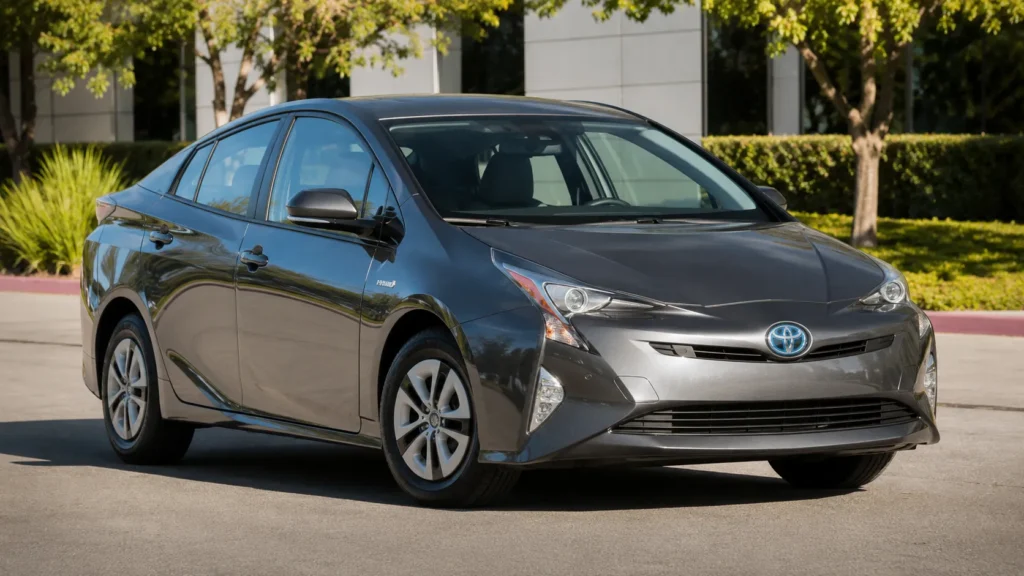
2016–2022 (Gen 4): the used sweet spot
The fourth generation is where a used Prius search should start. The TNGA platform brought better handling, efficiency rose to roughly 52–56 mpg depending on trim, and — decisively — the third generation’s documented problem cluster did not carry over. Third-party reliability records for these years are consistently strong, with 2017–2021 the pick of the run. Clean examples fit comfortably within the best used cars under $20,000, which is precisely why they move fast.
 Toyota
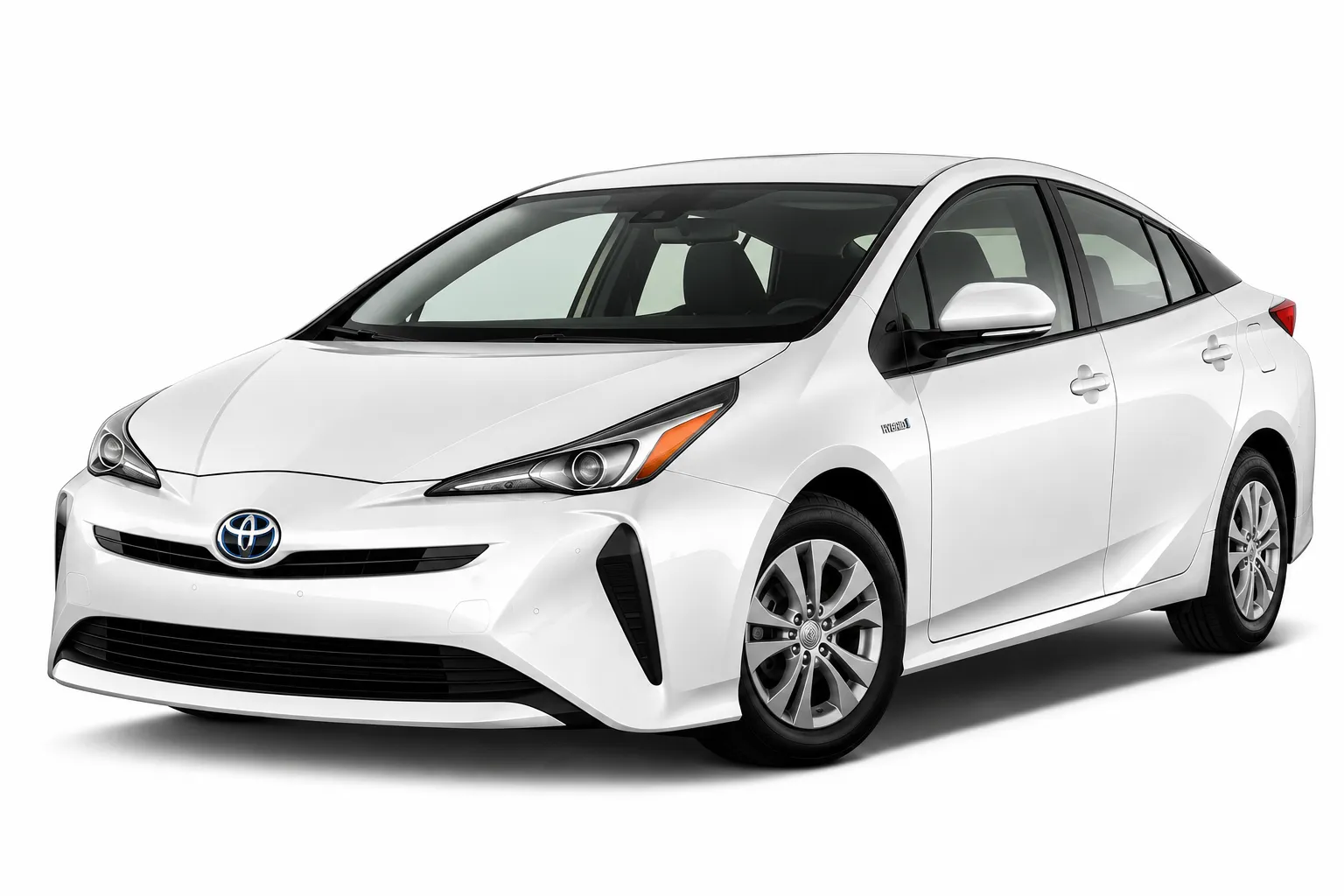
2023-onward (Gen 5): the modern pick
The fifth generation transformed the Prius — a 2.0L hybrid system of 194–196 hp (roughly double the old car’s urgency), striking design, and early reliability marks that are among the strongest in Toyota’s lineup. It has a handful of routine recalls to VIN-check, and its long-term record is still young — so we recommend it enthusiastically without pretending it has decades of proof behind it. If you can stretch to one, it is the most complete Prius ever.
The era that deserves strong caution: 2010–2015 (Gen 3)
Here is the part most lists get wrong in one direction or the other. The third generation’s issues are real and documented by Toyota’s own programs — and they are specific, inspectable, and bounded, which is why the right verdict is strong caution rather than avoid.
Documented: Toyota issued an oil-consumption technical bulletin for certain 2010–2014 cars (piston-ring related, like the era’s 2AZ programs elsewhere in the lineup); an EGR warranty-enhancement program for certain 2010–2012 cars — significant because clogged EGR coolers raise combustion temperatures, the recognized pathway behind the era’s head-gasket failures; inverter safety recalls on certain 2010–2014 cars; Customer Confidence Programs 23TE02 and 23TE03, which cover specific inverter/intelligent-power-module conditions on certain 2010–2015 cars for up to 20 years with no mileage limit; and a brake-booster/pump customer-support program for certain 2010–2015 cars. Every one of these is VIN/condition-specific.
Reported: the head-gasket failure pattern itself — typically on higher-mileage, EGR-neglected engines — is an owner-and-shop cluster, not a blanket Toyota defect finding; 2010 was the complaint peak of the whole Prius line. Repair economics are the sting: a proper head-gasket job (or engine) can approach the car’s value.
Editorial — the buying plan: on any 2010–2015, (1) check EGR service history — a cleaned EGR circuit every ~50k miles is the known mitigation; (2) watch oil level and top-up habits; (3) test the brakes from cold — inconsistent pedal feel or warning lights are disqualifying until diagnosed; (4) run the VIN for the inverter recalls and ask a dealer whether 23TE02/23TE03 coverage could apply; (5) walk away from any misfire, overheat, or sweet exhaust smell unless a documented repair exists. A Gen 3 that passes all five — especially a 2015 — can still be an honest cheap commuter. One that fails any of them is somebody else’s project.
- Cheapest entry to Prius economy; huge parts/knowledge base; 2015 the most refined.
- Toyota's programs (23TE02/23TE03 up to 20 yrs; EGR enhancement; brake program) can still cover qualifying cars — worth a dealer check.
- Risks are inspectable: EGR history, oil habits, cold-brake test, VIN programs.
- Documented oil-consumption TSB (2010–2014) and EGR-clogging pathway behind reported head-gasket failures on neglected/high-mileage engines.
- Inverter recalls and brake-booster program era — warning lights are disqualifying until diagnosed.
- Repair economics: a head-gasket/engine job can exceed the car's worth.
2004–2009 (Gen 2): old but honest
The generation that made the Prius a phenomenon remains a rational bottom-dollar buy. Its known items are reported, age-typical, and cheap to check: combination-meter (dash display) failures that can blank the speedometer, 2007’s headlight complaints, and ordinary wear. The real variable at this age is the battery — which brings us to the question every used-Prius buyer asks.
The battery question — every generation
Hybrid batteries age with time, heat, and miles; most originals live long past 150,000 miles, refurbished and cell-level repairs exist, and a weak pack announces itself (rapid charge-level swings, falling economy). Rather than fearing it, price it: a battery check belongs in every used-Prius inspection regardless of year. For the full picture — lifespan, warning signs, replacement economics — see how long Toyota hybrid batteries last.
Who should buy which Prius
- Maximum value, minimum risk: 2017–2021 Gen 4.
- Newest and best to drive: 2023+ Gen 5, accepting a younger track record.
- Bottom-dollar commuter: a checked Gen 2, priced for its age.
- Bargain hunter with discipline: a five-point-verified 2015 Gen 3 — and only then.
And if you’re weighing a Prius against going fully electric, our guide to whether a hybrid or EV is cheaper to own runs the actual numbers.
Final verdict
The Prius earns its economy-legend status — in the right generations. Buy a 2016–2022 with confidence, a 2023-plus with enthusiasm, a Gen 2 with age-appropriate expectations, and a 2010–2015 only after the five checks. That is not hedging; it is exactly what Toyota’s own program record supports. No Prius year earns a blanket “avoid” — but no era rewards blind faith either, and the difference between the two is an afternoon of verification.